You Won’t Believe What Salamanca’s Food Scene Is Hiding
I didn’t go to Salamanca for the food—I went for the architecture. But within hours, I was hooked on something far richer: the flavors. From smoky paprika-laced stews to melt-in-your-mouth Iberian pork, this city serves authenticity on every plate. It’s not just dinner—it’s a cultural handshake. If you’re coming here and skipping the local eats, you’re missing the soul of the place. Let me show you why Salamanca’s specialty dining is quietly legendary.
Why Salamanca? Beyond the Stone Facades
Salamanca, a UNESCO World Heritage city nestled in Spain’s Castile and León region, is often praised for its golden sandstone buildings and historic university—one of the oldest in Europe. But beyond its academic prestige and Renaissance grandeur lies a quieter, deeper rhythm: the daily ritual of eating well. Unlike the fast-paced tapas bars of Madrid or the tourist-heavy plazas of Barcelona, Salamanca offers a more intimate culinary experience, where meals unfold slowly and with intention. The city’s size—compact and walkable—means traditions remain intact, passed down through generations rather than diluted by mass tourism.
What sets Salamanca apart is how deeply food is woven into its identity. Here, cooking isn’t just sustenance; it’s a reflection of history, geography, and community. The surrounding countryside supplies an abundance of high-quality ingredients—acorn-fed pigs from nearby Extremadura, artisan cheeses from local shepherds, and robust red wines from the neighboring Toro and Ribera del Duero regions. These elements come together in a cuisine that values simplicity, seasonality, and craftsmanship. Meals often begin with a shared platter of cured meats, continue with a slow-cooked stew, and end with a small glass of sweet anise liqueur or a wedge of creamy Torta del Casar cheese.
Because Salamanca has not fully succumbed to international culinary trends, its restaurants remain rooted in authenticity. You won’t find many fusion dishes or overly experimental menus. Instead, the focus is on perfecting the classics—dishes that have been served in family homes for decades. This dedication to tradition means that when you sit down to eat in Salamanca, you’re not just tasting food; you’re experiencing a way of life that prioritizes connection, patience, and pride in local produce. It’s this quiet confidence in its own heritage that makes the city’s food scene so compelling.
The Heartbeat of Local Dining: Mercado Central
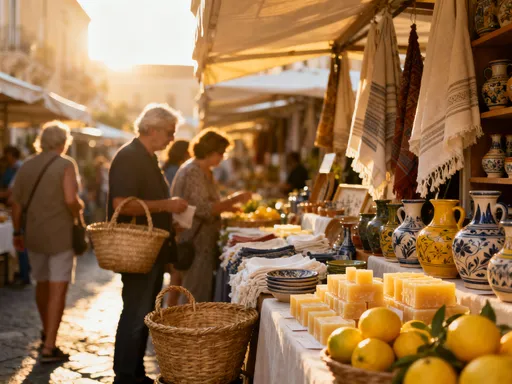
If there’s one place that captures the essence of Salamanca’s culinary soul, it’s the Mercado Central. Housed in a striking early 20th-century iron-and-glass structure near Plaza Mayor, this bustling marketplace is where locals shop, chefs source ingredients, and visitors get their first real taste of regional flavors. Stepping inside is like entering a living pantry—colorful, fragrant, and alive with energy. The air hums with the sizzle of chorizo on grills, the sharp tang of aged cheese, and the earthy scent of mushrooms gathered from nearby hills.
Rows of stalls display an impressive variety: plump tomatoes from local farms, jars of smoked paprika from La Vera, wheels of sheep’s milk cheese dusted with ash, and trays of glistening olives marinated in herbs and citrus. Butchers proudly display cuts of Iberian pork, explaining the difference between *cebo* and *bellota* with the care of sommeliers discussing wine vintages. Fishmongers arrange sea bream and hake caught just hours earlier on Spain’s Atlantic coast. Every product tells a story of provenance, and vendors are eager to share it—whether it’s how a particular cheese is aged in mountain caves or why a certain ham took three years to cure.
For travelers, the market is more than a shopping destination—it’s an education. Sampling a slice of *morcilla* (blood sausage) from a warm sandwich stand or sipping a small glass of vermouth at one of the counter bars offers an instant immersion into daily life. Many restaurants in the city base their daily menus on what’s freshest at the market, so dining out often means eating what locals are eating. By starting your culinary journey here, you align yourself with the rhythm of the city: seasonal, local, and deeply respectful of tradition. The Mercado Central isn’t just a place to buy food; it’s where Salamanca’s food culture begins.
Specialty #1: Hornazo – More Than Just a Pie
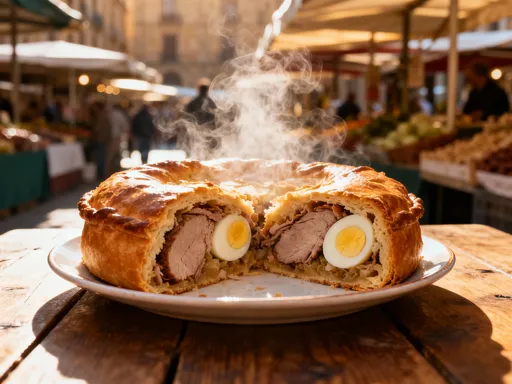
One of Salamanca’s most beloved traditional dishes is the hornazo—a rich, savory pie that emerges with particular prominence during the Easter season but can be found year-round in family-run bakeries. More than just a pastry, the hornazo is a celebration of abundance, filled with layers of pork loin, cured ham, chorizo, and hard-boiled eggs, all encased in a golden, flaky crust. Its origins are rooted in religious festivals, particularly the Fiesta de las Angustias, when workers returning from the fields would be greeted with this hearty meal as a symbol of renewal and nourishment.
What makes the hornazo special is not just its flavor—smoky, meaty, and deeply satisfying—but its role in community life. It’s often baked in large rounds, meant to be shared among families or coworkers. Some versions even include a whole egg nestled in the center, symbolizing fertility and new beginnings. The preparation is labor-intensive, requiring careful layering of ingredients and precise baking to ensure the crust stays crisp while the interior remains juicy. Each neighborhood bakery has its own variation, with subtle differences in seasoning or the ratio of meats used.
For visitors, trying a hornazo is a way to participate in a living tradition. The best ones are found in small, unassuming bakeries just off the main tourist paths—places like Panadería San Martín or Horno de Cano, where the ovens have been running for generations. Some restaurants serve individual portions as a starter, while others offer slices at lunch counters alongside a glass of young red wine. Eating a hornazo isn’t just about satisfying hunger; it’s about connecting with a culinary ritual that has sustained families through generations. In a world of fast food and fleeting trends, the hornazo stands as a reminder of food’s power to bring people together.
Specialty #2: Jamón Ibérico de Bellota – A Taste of the Mountains
No exploration of Salamanca’s food scene would be complete without paying homage to Spain’s most iconic delicacy: Jamón Ibérico de Bellota. This acorn-fed Iberian ham, often regarded as the pinnacle of cured meats, is produced in the oak-studded dehesas (wooded pastures) of western Spain, including areas just south of Salamanca in Extremadura. The black Iberian pigs that produce this ham roam freely, feeding exclusively on fallen acorns during the final months of their lives—a diet that imparts a uniquely rich, nutty flavor and a marbled texture that melts at room temperature.
The curing process is equally meticulous. After slaughter, the hams are salted, washed, and left to dry in natural cellars for anywhere from 24 to 48 months. During this time, they develop complex flavors—notes of walnut, leather, and dried fruit—while the fat slowly oxidizes, creating a buttery mouthfeel. When sliced paper-thin by a skilled carver, the ham reveals its deep red hue and delicate web of fat, glistening under the light. The experience of eating it is almost meditative: the first bite releases a burst of umami, followed by a long, savory finish.
In Salamanca, Jamón Ibérico is not treated as a luxury reserved for special occasions. It’s a staple, served in tapas bars, markets, and homes alike. The best way to enjoy it is simply: a few slices on a small plate, accompanied by a glass of full-bodied red wine from the Toro region. Some bars even offer guided tastings, where you can sample different grades of ham—*cebo*, *recebo*, and *bellota*—to understand the nuances of flavor and texture. More than just a food item, Jamón Ibérico represents a deep connection to the land, to sustainable farming practices, and to a slow, deliberate way of life that values quality over speed.
Specialty #3: Chanfaina – The Humble Dish That Wins Hearts
While Salamanca’s cuisine includes rich meats and elegant pastries, some of its most memorable dishes come from the realm of humble, rustic cooking. One such example is chanfaina, a traditional offal-based stew that originated as peasant food but has earned a loyal following for its bold flavors and comforting warmth. Made with lamb or pork liver, rice, onions, paprika, and a touch of vinegar, chanfaina is slow-cooked until the ingredients meld into a deeply savory, slightly tangy dish that defies its modest origins.
The key to a great chanfaina lies in the balance of flavors. The liver must be fresh and cooked gently to avoid bitterness, while the rice absorbs the spiced broth, becoming tender without turning mushy. Paprika—preferably the smoky variety from La Vera—gives the dish its characteristic color and depth, while a splash of vinegar cuts through the richness. It’s often served in earthenware dishes, still warm from the oven, and eaten with crusty bread to mop up every last drop.
Because chanfaina is not widely known outside the region, it’s rarely found in tourist-oriented restaurants. The best places to try it are small, family-run taverns called *mesones*, tucked away in narrow streets near Plaza Mayor. At spots like Mesón del Poyo or Casa Paca, it’s often listed as a daily special, prepared in small batches and served only while supplies last. Ordering it signals a willingness to go beyond the familiar, and locals appreciate the effort. For many residents, chanfaina is more than a meal—it’s a taste of childhood, of Sunday lunches at grandparents’ houses, of food made with care rather than show. In a single bowl, it tells the story of a region that values resourcefulness, flavor, and tradition.
Where to Eat: From Hidden Bodegas to Rooftop Terraces
Salamanca offers a range of dining experiences that reflect its layered culinary identity—from centuries-old cellars to modern kitchens reinterpreting tradition. One standout is La Bóveda del Albergue, a restaurant set in a 12th-century vaulted cellar beneath a former pilgrims’ hostel. Here, tapas are served on slate boards, and specialties like slow-cooked octopus and grilled wild mushrooms highlight the region’s best ingredients. The atmosphere is intimate, with candlelight flickering off stone walls, making it ideal for a quiet dinner.
For a more contemporary take on Castilian cuisine, Restaurante Atrio offers an elevated experience. Though technically located just outside the city in Cáceres, it’s a destination worth the short trip for serious food lovers. Led by chef Toño Pérez, the restaurant combines local products with innovative techniques, offering tasting menus that include dishes like roasted pigeon with quince or Iberian pork with smoked beetroot. While more upscale, the service remains warm and unpretentious, a hallmark of Spanish hospitality.
Back in the city center, El Patio de las Sopas provides a charming contrast—a courtyard restaurant perfect for warm evenings. Surrounded by climbing jasmine and soft lighting, guests enjoy seasonal soups, grilled meats, and house-made desserts. It’s the kind of place where families gather for Sunday lunch and friends linger over glasses of wine long after the meal ends. Another gem is Víctor Gutiérrez, a modern bodega that pairs creative tapas with an excellent wine list, including rare sherries and natural wines. Whether you’re seeking history, innovation, or simple comfort, Salamanca’s dining scene delivers with authenticity and grace.
Dining Like a Local: Timing, Etiquette, and Ordering Tips
To truly enjoy Salamanca’s food culture, it helps to understand the rhythm of Spanish dining. Meals happen later here than in many other countries—lunch is typically between 2:00 and 4:00 p.m., and dinner rarely starts before 9:00 p.m. This late schedule allows time for a mid-morning vermouth break, a tradition that’s making a comeback. Locals gather at bars to sip chilled vermouth on ice with olives or potato chips, a ritual that stimulates the appetite and fosters conversation.
When dining out, embracing the sharing culture enhances the experience. Tapas and raciones (larger portions) are meant to be passed around, so don’t hesitate to order a variety of dishes. One practical tip is to look for the *menú del día* (menu of the day), offered at most restaurants from Monday to Saturday. Typically priced between 12 and 18 euros, it includes a first course, second course, dessert or coffee, and a drink—offering excellent value and a chance to try multiple dishes.
Etiquette is relaxed but respectful. Tipping is not mandatory—leaving small change or rounding up the bill is customary. More important than money is showing appreciation. A simple *“¿Qué me recomienda?”* (“What do you recommend?”) goes a long way with servers and often leads to off-menu specials or family recipes. Avoid rushing; meals are meant to be savored. And if you’re invited into a local home, bringing a small gift—like a bottle of wine or a box of pastries from a local confitería—is a thoughtful gesture.
Finally, don’t be afraid to eat where the locals eat. Restaurants filled with residents, especially during peak hours, are almost always reliable. Look for places with handwritten menus in the window or older patrons enjoying a leisurely meal. These are the spots where tradition thrives, and where you’re most likely to taste the true essence of Salamanca.
Salamanca’s food is not about spectacle or novelty. It doesn’t rely on flashy presentations or international trends. Instead, it draws its strength from continuity—from recipes preserved across generations, ingredients sourced with care, and meals shared with intention. To eat here is to engage with a culture that values slowness, seasonality, and connection. Each dish, whether a humble chanfaina or a prized slice of Jamón Ibérico, carries the weight of history and the warmth of hospitality. For the traveler willing to slow down and listen, Salamanca reveals itself not just through its golden façades, but through the quiet poetry of its plates. Let your journey be guided by taste, and you’ll discover that the soul of this city is served one delicious bite at a time.