What Makes Montego Bay’s Festival Scene Truly Instagram-Worthy?
Montego Bay isn’t just golden beaches and turquoise waves—it’s a pulsing hub of culture, music, and color that explodes during festival season. I’ve wandered through street parades where drums echo like heartbeats and watched dancers in dazzling costumes light up the night. These moments aren’t just beautiful—they’re made for your feed. If you’re chasing authenticity with serious visual impact, this Jamaican gem delivers beyond expectation. Let’s dive into the festivals that turn travelers into storytellers.
The Pulse of Montego Bay: Where Culture Meets Celebration
Montego Bay, often affectionately called MoBay, pulses with a rhythm that feels both timeless and refreshingly modern. Nestled along Jamaica’s northern coast, the city blends natural beauty with cultural vibrancy in a way that few destinations can match. Its wide crescent of shimmering coastline meets a skyline dotted with historic churches, bustling markets, and colorful street art, creating a backdrop that is inherently photogenic. But it’s during the festival season that MoBay truly comes alive—transforming from a tropical getaway into a living canvas of music, dance, and community spirit.
What sets Montego Bay apart as a festival destination is not just its scenic beauty, but the genuine warmth of its people. Locals don’t just host festivals—they live them. From the fisherman humming a reggae tune at dawn to the grandmother selling handmade bracelets by the boardwalk, there’s a deep-rooted pride in cultural expression. This authenticity translates into experiences that feel immersive rather than performative. When you capture a moment here—a child laughing in a feathered headdress, a steel pan band playing under the palm trees—you’re not just taking a photo. You’re preserving a story that resonates with joy, resilience, and connection.
The city’s role as a cultural gateway enhances this experience. As one of Jamaica’s most accessible international entry points, Montego Bay has long served as a meeting place between tradition and global influence. You’ll hear American accents mingling with Patois, see fashion that blends island flair with urban trends, and taste cuisine that honors heritage while embracing innovation. This fusion doesn’t dilute authenticity—it enriches it. For the visiting traveler, especially women between 30 and 55 who value meaningful, beautifully curated experiences, MoBay offers a rare balance: the comfort of modern amenities paired with the soul of a culture that celebrates life with open arms.
Reggae Sumfest: The Crown Jewel of Jamaican Music Festivals
No discussion of Montego Bay’s festival scene is complete without Reggae Sumfest, the island’s most iconic music event and a pilgrimage for fans of reggae, dancehall, and Caribbean sound. Held annually in June, Sumfest transforms the Catherine Hall Entertainment Centre into a pulsating arena of sound and energy. For five nights, the air vibrates with basslines, the sky lights up with pyrotechnics, and the crowd—thousands strong—moves as one. This is more than a concert; it’s a cultural phenomenon that draws artists and fans from across the globe.
The festival’s roots trace back to the early 1990s, born from a desire to celebrate Jamaica’s musical legacy while providing a platform for emerging talent. Over the decades, it has hosted legends like Beenie Man, Chronixx, and Shaggy, alongside international stars such as Wizkid and Akon. The lineup reflects the evolution of Caribbean music, honoring roots reggae’s spiritual depth while embracing the high-octane energy of modern dancehall. For visitors, the experience is electrifying. Imagine standing shoulder to shoulder with locals who know every lyric, watching performers command the stage with charisma that can’t be faked. The music isn’t just heard—it’s felt in your chest, your feet, your soul.
From a visual storytelling perspective, Reggae Sumfest offers endless opportunities. The stage design is bold and dynamic, with LED screens, dramatic lighting, and smoke effects that create a cinematic atmosphere. The best moments to capture include the opening fire dance, the crowd’s synchronized wave during anthems like “Jamming,” and the emotional tribute sets that honor reggae’s pioneers. For photography, position yourself slightly off-center to include both the performer and the audience’s reaction. Use a fast shutter speed to freeze motion during dance segments, and don’t shy away from shooting in low light—modern cameras handle it well, and the grain can add mood. If you’re filming, short clips of 10–15 seconds work best for social media, especially when synced to a powerful chorus or drum break.
For families and solo travelers, Sumfest is surprisingly accessible. The venue is secure, with clear signage and multiple entry points. Food vendors offer everything from festival staples like jerk chicken and festival bread to bottled water and fresh coconut water—essential for staying hydrated under the Jamaican sun. While the energy is high, the atmosphere remains welcoming and family-friendly during daytime events. Evening shows are more intense, but still safe, with ample security and medical staff on site. For the 30- to 55-year-old woman seeking both excitement and comfort, Sumfest delivers a rare combination: world-class entertainment in a setting that feels both vibrant and secure.
Carnival Season: A Riot of Color and Rhythm
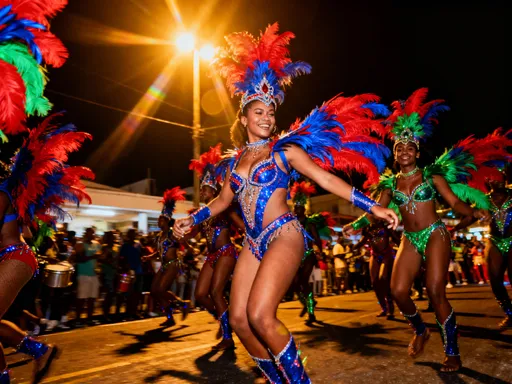
If Reggae Sumfest is the heartbeat of MoBay’s music scene, Carnival is its dazzling soul. Held annually in April, Montego Bay Carnival is a celebration of freedom, creativity, and unapologetic joy. Inspired by the traditions of Trinidad and Tobago but deeply rooted in Jamaican identity, the event features a grand street parade known as Jouvert, where thousands of revelers paint their bodies, don elaborate costumes, and dance through the city streets from dawn until dusk. The colors are blinding—feathers, sequins, and glitter catch the sunlight like prisms, turning the entire city into a moving art installation.
The origins of Carnival trace back to colonial times, when enslaved Africans used the pre-Lenten festival as a rare opportunity to express themselves freely. Today, it remains a powerful symbol of resilience and cultural pride. In Montego Bay, the celebration has evolved into a uniquely Jamaican expression, blending African drumming, French-inspired masquerade, and Caribbean flair. The music trucks—massive flatbeds equipped with towering speaker systems—crawl down the boulevard, blasting soca, dancehall, and chutney rhythms. Each truck represents a different band or theme, and the competition for the most dazzling costume and energetic performance is fierce.
For the visitor, joining the parade is a transformative experience. Many local bands welcome “masqueraders” (participants) for a fee, providing costumes, makeup, and even choreography. This is not a spectator event—it’s an invitation to become part of the art. For women who may hesitate to step into such a bold, physical celebration, the reality is often liberating. There’s no judgment, only encouragement. Whether you’re dancing in a feathered headdress or cheering from the sidelines, you’re embraced as part of the moment. And from a photography standpoint, the visual rewards are immense. The contrast of vibrant costumes against the blue sky, the motion blur of dancers in full stride, the close-up details of hand-beaded accessories—all are gold for your feed.
If you’re not ready to join the parade, the sidelines offer equally stunning vantage points. Head to the start line near Gloucester Avenue for pre-parade energy, or find a shaded spot near the judges’ stand to capture the full effect of each band’s presentation. Early morning light is ideal for photography, especially during Jouvert, when participants are painted in mud, oil, or bright colors—a tradition symbolizing rebirth and equality. Use a polarizing filter to reduce glare from the sun, and shoot in burst mode to capture dynamic movement. Most importantly, talk to the people around you. A simple “Beautiful costume!” or “You’re amazing!” can lead to a genuine connection—and the best photos often come from moments of real interaction.
Craft, Food, and Local Art: The Hidden Gems Within Festivals
Beyond the music and dancing, the soul of Montego Bay’s festivals lives in the details—the handmade crafts, the sizzling food stalls, the local artisans who pour their stories into every creation. These elements may not dominate the headlines, but they are the ones that linger in memory and elevate your visual narrative. While the main stages draw the crowds, the festival markets offer a quieter, more intimate experience—one that rewards curiosity and connection.
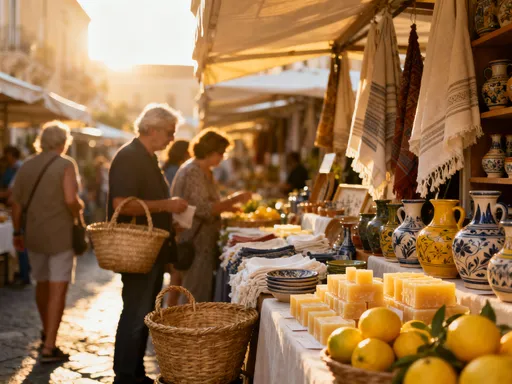
Wander through any festival bazaar, and you’ll find tables lined with hand-painted masks, woven baskets, beaded jewelry, and wooden carvings. Many of these items are made by local cooperatives, often led by women who have passed down their craft for generations. The colors are bold and symbolic: red for strength, green for the land, gold for the sun. Each piece tells a story, whether it’s a Rastafarian flag stitched with care or a coconut shell turned into a drum. For travelers, these aren’t just souvenirs—they’re keepsakes with meaning. When you photograph a vendor arranging her necklaces in the morning light, or a child watching a potter shape clay by hand, you’re capturing the quiet heartbeat of the festival.
And then there’s the food—the true star of any Caribbean celebration. Jerk chicken, slow-cooked over pimento wood, carries a smoky aroma that drifts through the air like an invitation. You’ll also find curried goat, fried plantains, rice and peas, and fresh mangoes cut on the spot. For the health-conscious traveler, grilled fish and vegetable patties offer lighter options, while coconut water and sorrel drink provide natural hydration. These flavors aren’t just delicious—they’re photogenic. Steam rising from a metal tray, spices scattered on a wooden board, a vendor’s hands expertly flipping skewers—each moment is a composition waiting to be framed.
When engaging with vendors, a smile and a simple “How long have you been making this?” can open doors to deeper stories. Many artisans are happy to demonstrate their craft or explain the symbolism behind their designs. These interactions not only enrich your experience but also result in more authentic, emotionally resonant photos. Instead of staged shots, you’ll capture real moments—laughter, concentration, pride. And when you share these images, you’re not just showing what you saw. You’re honoring the people who made the festival possible.
Sunset Beach Parties: When the Festival Moves to the Shore
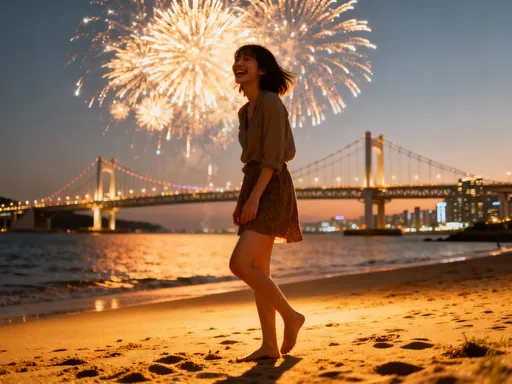
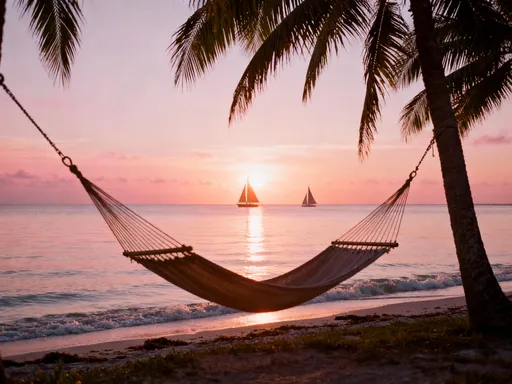
As the sun dips below the horizon and the official festival events wind down, a different kind of magic begins—one that unfolds on the soft sands of Montego Bay’s coastline. This is when the after-parties begin: informal, joyful gatherings where music, firelight, and the rhythm of the waves create an atmosphere that feels both intimate and infinite. These sunset beach parties are not always listed on event schedules, but they are among the most memorable experiences a visitor can have.
Organized by local crews or simply sparked by spontaneous energy, these gatherings feature acoustic sets, drum circles, and casual dancing under the stars. You might find a guitarist playing Bob Marley ballads by a bonfire, or a group of friends passing a bottle of rum punch as the sky shifts from orange to deep purple. The mood is relaxed, inclusive, and deeply soothing. For women traveling solo or with friends, these moments offer a rare blend of safety and freedom—space to breathe, reflect, and connect without the pressure of a crowded venue.
From a photography perspective, the lighting during golden hour and twilight is nothing short of magical. The low-angle sun casts long shadows and warm glows, turning silhouettes into art. Use a tripod or rest your phone on a stable surface to capture the transition from day to night. Try long exposures to blur the waves into silk, or focus on small details—a seashell in the sand, a drink with a lime wedge glowing in the firelight. If you’re filming, short clips of the fire dancing or waves crashing make perfect Instagram Reels or TikToks when paired with a reggae instrumental.
Access to these beach parties is usually easy, especially along the northern stretch of the city where public beaches meet resort areas. Many hotels host their own versions, open to guests and sometimes to the public. For safety, stick to well-lit areas, go with a group if possible, and keep your belongings secure. Bring a light wrap—ocean breezes can be cool—and wear comfortable sandals. These gatherings are informal, so there’s no dress code, but many locals dress in island-inspired outfits: flowy dresses, linen shirts, or festival wear from earlier in the day. The key is to be present, not perfect. Let the moment unfold, and let your camera follow your heart.
Festival-Ready Tips: How to Experience More, Stress Less
Planning a festival trip to Montego Bay can feel overwhelming, especially if you’re balancing travel logistics with the desire to fully immerse yourself. But with a few smart strategies, you can maximize joy while minimizing stress. The key is preparation—without over-scheduling. Festivals are about spontaneity, but a little structure ensures you don’t miss the highlights or burn out before the fun begins.
Start with timing. Reggae Sumfest runs for five nights in mid-June, while Carnival takes place over a long weekend in April. Book accommodations early—hotels and guesthouses fill up months in advance. Consider staying slightly outside the city center for better rates, but ensure you have reliable transport. Many visitors use taxis or ride-sharing services, but pre-arranged shuttle services from hotels are often safer and more convenient, especially at night. If you plan to attend multiple events, look for festival passes that include transport and VIP access—these can save time and reduce decision fatigue.
Hydration is critical. Jamaica’s tropical climate means high heat and humidity, especially during daytime events. Carry a reusable water bottle and refill it often. Coconut water, sold by vendors along the streets, is a delicious and natural electrolyte boost. Wear lightweight, breathable clothing—cotton or linen works best—and don’t forget sunscreen, a wide-brimmed hat, and sunglasses. For photography, protect your gear. Use a rain cover or dry bag, especially during beach parties or unexpected showers. A small tripod or phone stabilizer can help with low-light shots, and extra batteries or a portable charger are essential for long days.
Respecting local customs enhances your experience. While festivals are inclusive, it’s important to approach them with humility. Ask before taking close-up photos of people, especially children or elders. If someone declines, smile and move on. Tipping is appreciated—$100–200 Jamaican dollars for a photo with a costumed dancer, or a small bill for a vendor who shares a story. Avoid wearing costumes that appropriate cultural symbols, and never mock traditions you don’t understand. When in doubt, follow the lead of locals. Their energy is your guide.
Finally, don’t try to do everything. It’s tempting to pack your schedule, but festivals are marathons, not sprints. Leave room for rest, for unexpected moments, for simply sitting and watching. The best memories often come from unplanned interactions—a conversation with a local artist, a quiet moment on the beach, a shared laugh during a downpour. By pacing yourself, you’ll return home not just with great photos, but with a renewed sense of wonder.
Why These Moments Stay With You—And Belong on Your Feed
The truth is, the most Instagram-worthy moments in Montego Bay aren’t just about aesthetics. They’re about feeling. They’re about the way a drumbeat syncs with your breath, how a child’s smile under a feathered crown makes your heart swell, or how the ocean looks when lit by fire and stars. These are the moments that stay with you long after the tan fades and the souvenirs are unpacked. They become part of your story—not because they got likes, but because they reminded you of what it feels like to be alive.
Sharing these moments online isn’t vanity. It’s an act of connection. When you post a photo of a dancer mid-leap, or a video of a steel pan band playing at sunset, you’re inviting others into a world of color, rhythm, and joy. You’re showing that travel isn’t just about escape—it’s about expansion. For women in their 30s, 40s, and 50s, who often carry the weight of responsibility at home and work, these experiences are a form of renewal. They remind us that we are more than our roles. We are curious. We are creative. We are capable of wonder.
So go ahead—capture the light, the movement, the laughter. But don’t forget to put the camera down, too. Feel the sand between your toes. Sing along to a song you don’t know. Let a stranger paint your face with glitter. Because the best stories aren’t just seen. They’re lived. And when you return home, your feed will reflect not just where you went, but who you became along the way. Travel with curiosity. Capture with heart. Share with pride. Montego Bay is waiting to tell its story—and yours.