You Won’t Believe What I Found in Georgetown’s Hidden Cultural Spots
Georgetown, Guyana, isn’t just a quiet capital tucked between rainforest and ocean—it’s a living gallery of culture waiting to be explored. I went looking for authenticity and found soul-stirring music, vibrant art, and centuries-old traditions breathing new life. From colonial-era theaters to grassroots studios, every corner tells a story. This is discovery at its most real, where culture isn’t performed—it’s lived. What I discovered wasn’t in guidebooks or curated tours, but in the quiet moments: a drumbeat echoing down an alley, a mural revealing stories of resilience, an elder recounting ancestral customs in a dimly lit museum. Georgetown rewards those who wander with intention, who pause to listen and observe. It’s a city that doesn’t shout its significance, but whispers it—with grace, depth, and undeniable warmth.
First Impressions: A City That Defies Expectations
Arriving in Georgetown feels like stepping into a place caught in a gentle rhythm, one shaped by time, tide, and tradition. The city unfolds beneath a canopy of palm trees, where red-tiled roofs glisten under the tropical sun and wooden sidewalks creak underfoot, remnants of a colonial past that still lingers in the architecture. The air carries a mix of sea salt, blooming frangipani, and the faint trace of diesel from passing minibuses. At first glance, Georgetown appears calm—almost sleepy—but beneath this tranquil surface lies a cultural richness that surprises even seasoned travelers.
What sets Georgetown apart is its layered identity, a seamless blend of Caribbean ease, South American geography, and British colonial influence. You hear it in the lilting cadence of Guyanese English, see it in the colorful wooden homes painted in soft pastels, and taste it in the fusion of flavors at a roadside food stall. Unlike capitals that have been polished for tourism, Georgetown remains unapologetically itself—unhurried, authentic, and deeply rooted in community. There’s no pretense here, only a quiet confidence in its heritage.
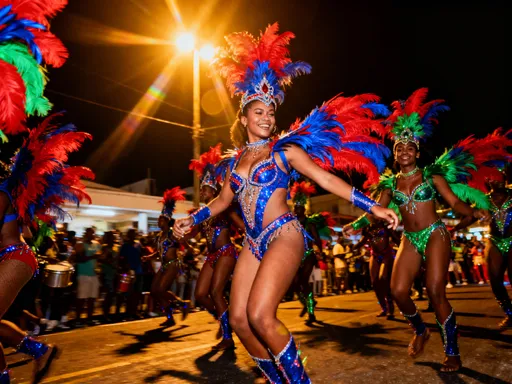
This cultural depth reveals itself gradually. A church bell rings in the distance, followed by the call to prayer from a nearby mosque—a reminder of the city’s diverse religious tapestry. Indo-Guyanese, Afro-Guyanese, Indigenous, Portuguese, Chinese, and European communities have coexisted here for generations, each contributing to the city’s unique character. The result is a place where difference is not just accepted but celebrated, where festivals like Diwali and Mashramani light up the streets with music, dance, and color. Georgetown doesn’t perform diversity—it lives it, every single day.
Stabroek Market: The Beating Heart of Local Life
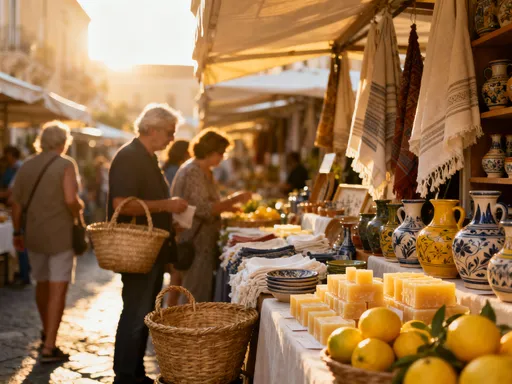
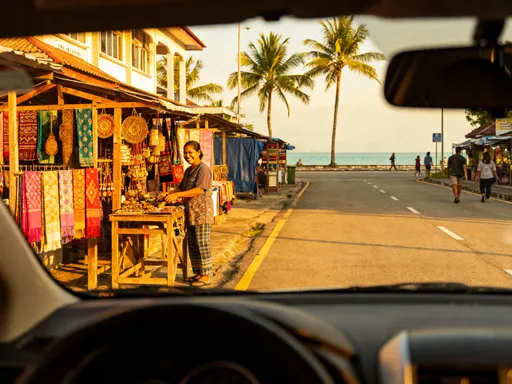
No visit to Georgetown is complete without stepping into the vibrant chaos of Stabroek Market, the city’s largest and most iconic marketplace. Located beneath a towering iron canopy that dates back to the 1880s, the market pulses with energy from dawn until dusk. It’s a sensory explosion—vendors shout over one another, baskets overflow with golden pineapples and crimson peppers, and the scent of fresh nutmeg, cinnamon, and smoked fish fills the air. This is not a sanitized tourist attraction, but a living, breathing hub where Guyanese daily life unfolds in full color.
At Stabroek, culture isn’t displayed behind glass—it’s exchanged in hand-to-hand transactions. Elderly women in bright headwraps sell handwoven baskets made from palm leaves, techniques passed down through generations. Spice vendors proudly display turmeric, cumin, and ground chili, ingredients central to Guyanese cuisine. Nearby, artisans carve wooden figurines and paint intricate patterns on calabash gourds, preserving crafts that might otherwise fade. Every purchase here supports a tradition, a livelihood, and a legacy.
But the market is more than a place to shop—it’s a cultural venue where stories are shared and community is strengthened. As you weave through the narrow aisles, you’ll hear snippets of conversation in Creole, laughter between neighbors, and the occasional burst of song from a busker with a guitar. Children dart between stalls, chasing each other with mango slices in hand. It’s in these unscripted moments that the true spirit of Georgetown reveals itself—not in grand monuments, but in the rhythm of everyday life.
For visitors, the lesson is clear: to understand a place, you must engage with its people. Stabroek Market offers that opportunity in abundance. Whether you’re bargaining for a hand-carved walking stick or simply pausing to watch a vendor expertly fillet a fish, you’re participating in a centuries-old ritual of commerce and connection. This is culture in motion—dynamic, resilient, and deeply human.
The Guyana National Museum: Where History Comes Alive
Nestled in a striking 19th-century building that once served as a public library, the Guyana National Museum stands as a quiet guardian of the nation’s memory. Its coral stone walls and tall arched windows evoke a sense of permanence, a fitting home for a collection that spans thousands of years. Inside, the museum unfolds like a carefully woven tapestry, each exhibit adding a new thread to the story of Guyana—from its ancient Indigenous roots to the complex legacies of colonialism and emancipation.
One of the museum’s most powerful sections explores the lives and contributions of Guyana’s Indigenous peoples, including the Arawak, Carib, and Wapishana. Through tools, ceremonial garments, and detailed dioramas, visitors gain insight into sustainable ways of living that have endured for millennia. Equally compelling are the exhibits on the transatlantic slave trade and the arrival of indentured laborers from India, China, and Portugal. These displays do not shy away from the brutality of the past, yet they also highlight resilience, resistance, and the formation of a new, multicultural society.
What makes the Guyana National Museum exceptional is its honesty. It does not present history as a series of triumphs, but as a complex, often painful journey toward identity. Panels acknowledge the exploitation of enslaved Africans and the challenges faced by indentured workers, while also celebrating cultural fusion—how African drumming merged with Indian rhythms, how Creole language evolved, and how religious practices blended into something uniquely Guyanese.
For families and older visitors especially, the museum offers a rare chance to reflect on heritage and continuity. It’s not uncommon to see grandparents explaining exhibits to grandchildren, pointing out familiar customs or recipes mentioned in display cases. In this way, the museum becomes more than a repository of artifacts—it becomes a space for intergenerational dialogue, a place where the past is not buried, but actively remembered and reinterpreted.
The Theatre Workshop: Creativity in Full Swing
Just a short walk from the city center lies one of Georgetown’s best-kept cultural secrets: The Theatre Workshop, a grassroots arts organization that has nurtured local talent for over five decades. Founded in the 1960s, it began as a small gathering of actors and writers determined to tell Guyanese stories on Guyanese terms. Today, it remains a vibrant hub for drama, dance, poetry, and youth expression, a place where creativity is not just encouraged—it is essential.
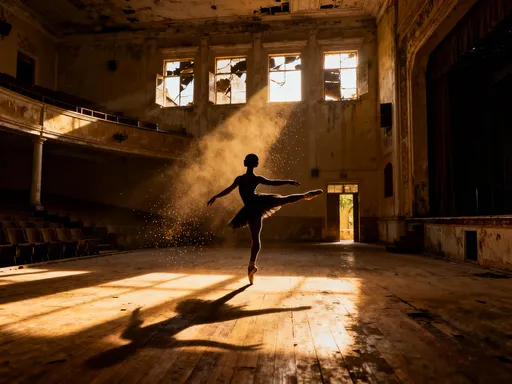
Attending a rehearsal at The Theatre Workshop is to witness raw, unfiltered artistry. In a modest studio with peeling paint and wooden floors, young performers move with precision and passion, rehearsing a play that blends folklore with contemporary social commentary. The director, a veteran of the stage, guides them with patience and intensity, reminding them that every gesture, every line, carries weight. There’s no glamour here—just dedication, discipline, and a deep love for storytelling.
What makes this space so vital is its accessibility. Unlike elite theaters that cater to a privileged few, The Theatre Workshop opens its doors to anyone with talent and drive. It offers free workshops, mentorship programs, and performance opportunities, ensuring that art remains a public good. Many of Guyana’s most respected actors, directors, and writers began their journeys on this very stage, inspired by the belief that culture should be inclusive, not exclusive.
The plays performed here often tackle pressing social issues—poverty, migration, environmental change—through the lens of personal experience. One recent production explored the emotional toll of family members leaving Guyana for better opportunities abroad, a reality for many households. Another reimagined Indigenous myths for modern audiences, blending traditional chants with contemporary music. These stories resonate because they are real, because they reflect the lives of the people who create and watch them.
In a world where art is often commodified, The Theatre Workshop stands as a reminder of its power to heal, to challenge, and to unite. It is not just a cultural institution—it is a lifeline, a place where young voices are amplified and community is built one performance at a time.
Walter Roth Museum of Anthropology: A Window into Indigenous Worlds
For those seeking a deeper understanding of Guyana’s original inhabitants, the Walter Roth Museum of Anthropology offers a profound and moving experience. Named after a pioneering British ethnologist who dedicated his life to studying Indigenous cultures, the museum houses one of the most comprehensive collections of Amerindian artifacts in the region. Housed in a colonial-era building with high ceilings and wooden shutters, the space feels both scholarly and sacred.
The exhibits are arranged thematically, guiding visitors through the daily lives, spiritual beliefs, and craftsmanship of Guyana’s First Peoples. You’ll find intricately woven baskets, hand-carved canoes, and ceremonial masks used in healing rituals. One display features traditional clothing made from cotton and feathers, each pattern carrying symbolic meaning. Another showcases tools crafted from stone, bone, and wood—testaments to a deep knowledge of the natural world.
What makes the museum especially powerful is its emphasis on continuity. These are not relics of a vanished past, but living traditions. Many of the items on display were collected directly from Indigenous communities, some of which still practice the same crafts today. Informative panels explain how knowledge is passed down orally, how elders teach the young, and how language, song, and dance preserve identity.
Visitors often remark on the quiet dignity of the space. There’s no flashy technology or dramatic lighting—just respectful presentation and thoughtful curation. It invites contemplation, a slowing down to truly see and understand. For older women especially, there’s a sense of connection, a recognition of shared values: the importance of family, the wisdom of elders, the sacredness of nature.
The Walter Roth Museum does more than educate—it fosters empathy. By honoring the complexity and beauty of Indigenous life, it challenges stereotypes and celebrates resilience. In a country where modernization often overshadows tradition, this museum stands as a quiet act of preservation, ensuring that the voices of Guyana’s First Peoples are not forgotten.
Artists’ Studios and Street Murals: Culture on the Move
As Georgetown evolves, a new wave of artistic expression is transforming its streets and neighborhoods. Beyond the established institutions, a growing number of independent artists are reclaiming public spaces with bold murals, pop-up galleries, and open-studio events. These creative outposts, often tucked into quiet alleys or repurposed colonial buildings, are breathing fresh life into the city’s cultural landscape.
One of the most exciting developments is the rise of street art. Vibrant murals now adorn walls across the city, depicting scenes of daily life, historical figures, and environmental themes. A large painting near the seawall shows a mother and child standing beneath a kapok tree, symbolizing growth and protection. Another, in the heart of downtown, honors the legacy of Walter Rodney, the historian and activist, surrounded by books and open hands. These works are not just decorative—they are statements, reflections of pride, memory, and hope.
Equally compelling are the artists’ studios that open their doors to the public on weekends. In neighborhoods like Werk-en-Rust and Thomas Lands, painters, sculptors, and textile artists invite visitors to watch them work, discuss their inspirations, and even try their hand at a brushstroke or two. Many of these creators blend Afro-Caribbean motifs with modern techniques, producing pieces that are both rooted and innovative. One painter uses recycled materials to create textured portraits of market vendors; another stitches traditional patterns into contemporary fabric art.
These grassroots spaces matter because they democratize culture. They make art accessible, personal, and participatory. For older women, in particular, there’s a deep appreciation for the way these artists honor everyday life—the strength of women, the beauty of nature, the dignity of labor. It’s a form of storytelling that feels familiar, even intimate.
Moreover, public art has become a vehicle for social change. Murals promoting environmental conservation, gender equality, and mental health awareness are increasingly common. They spark conversations, inspire action, and remind residents that culture is not static—it evolves with the times. In a city that values community, these artistic expressions strengthen bonds and foster collective pride.
Final Reflections: Why Georgetown’s Culture Stays With You
Leaving Georgetown, I carried more than souvenirs—I carried memories of connection. The city’s cultural richness isn’t confined to museums or theaters; it lives in the laughter at a market stall, the rhythm of a drum circle, the quiet pride of an elder sharing a story. What makes this experience so lasting is its authenticity. There are no staged performances for tourists, no artificial recreations of tradition. Instead, there is a deep, unbroken thread of continuity—a culture that persists not because it is preserved in amber, but because it is lived every day.
What surprised me most was how personal the discovery felt. In a world where travel can sometimes feel transactional—checklists, photo ops, souvenir shopping—Georgetown offered something different. It asked me to slow down, to listen, to engage. It reminded me that the most meaningful journeys are not about seeing the most, but about feeling deeply. Whether I was watching a dancer rehearse at The Theatre Workshop or tracing the patterns on a centuries-old basket, I felt a sense of intimacy, as if I had been invited into a shared story.
For women between 30 and 55—those balancing family, work, and personal dreams—Georgetown offers a rare gift: a chance to reconnect with what matters. It’s a place where heritage is honored, where community is strong, and where creativity thrives against the odds. It speaks to the part of us that values depth over distraction, meaning over spectacle.
So to travelers seeking more than the obvious, I offer this invitation: look beyond the guidebooks. Wander past the main squares, step into the smaller galleries, strike up a conversation with a vendor or artist. Let Georgetown surprise you. Let its music linger in your ears, its colors stay in your mind, its spirit touch your heart. Because once you’ve felt the pulse of this city, you don’t just remember it—you carry it with you, long after you’ve gone.