You Won’t Believe These Hidden Photo Spots in Amsterdam
Amsterdam’s architectural charm is everywhere—you just have to know where to look. From crooked canal houses to modern masterpieces, the city blends old-world elegance with bold design. I wandered beyond the postcard views and discovered quiet corners where light, history, and structure create perfect photo moments. These aren’t just sights—they’re stories waiting to be captured. With its delicate interplay of water, brick, and sky, Amsterdam offers photographers a living canvas shaped by centuries of craftsmanship and urban evolution. This is a city that rewards curiosity, where the most memorable images often lie just around the corner from the well-trodden paths.
The Magic of Amsterdam’s Architectural Identity
Amsterdam’s architectural identity is a story written in brick, timber, and water. Unlike other European capitals that rebuilt in grand symmetry, Amsterdam grew organically, shaped by the constraints of marshland and the ambitions of a mercantile golden age. The 17th-century canal ring, now a UNESCO World Heritage site, was a feat of urban planning and engineering, designed to manage water, facilitate trade, and display wealth. The tall, narrow houses with gabled facades were not merely aesthetic choices—they were practical responses to property taxes based on street width. Each gable—bell-shaped, necked, or step—carries its own historical signature, reflecting the tastes and fortunes of bygone eras.
What makes Amsterdam visually compelling today is how this layered history remains visible and intact. Preservation laws have ensured that even as the city modernizes, the architectural dialogue between past and present remains respectful and dynamic. Modern buildings in the city center often echo traditional proportions or materials, creating a harmony rather than a clash. For photographers, this means every street offers a composition rich with texture and narrative. The way morning light strikes the wet cobblestones, the reflection of a gable in still canal water, or the contrast between centuries-old wood and freshly painted trim—all of these details contribute to a visual language unique to Amsterdam.
The city’s relationship with water continues to shape its aesthetic. Houses lean slightly over canals, their foundations supported by wooden piles driven deep into the soggy ground. This subtle tilt adds character and a sense of impermanence to even the grandest facades. In the quieter canals of neighborhoods like Grachtengordel or Oud-West, these details are more pronounced, offering intimate moments for observation. For those with a camera, understanding this architectural evolution is not just educational—it’s essential to seeing beyond the surface and capturing the soul of the city.
Jordaan’s Hidden Courtyards: A Photographer’s Secret
Nestled within the winding streets of Jordaan, one of Amsterdam’s most beloved neighborhoods, lie hidden oases known as *hofjes*—charitable courtyards originally built for elderly women or the poor. These serene, enclosed spaces are easily overlooked, accessible only through narrow passageways or unmarked doors. Yet, for photographers, they offer some of the most poetic and intimate scenes in the city. With their symmetrical layouts, flower-filled gardens, and weathered brick walls, these courtyards feel like time capsules, untouched by the pace of modern life.
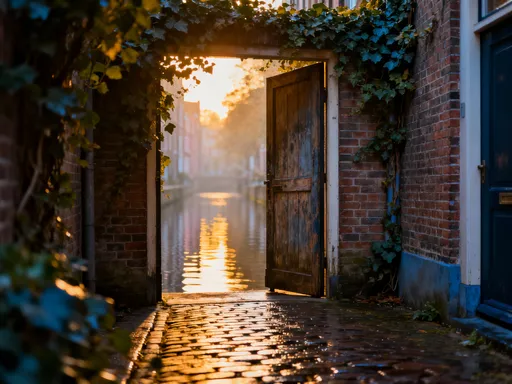
One such example is the Begijnhof, though technically in the city center, it sets the tone for what can be found in Jordaan’s quieter corners. But venture deeper into the neighborhood, and you’ll discover lesser-known spots like the Twaalf Gezellen or the Huis van Bewaring courtyard, where ivy climbs ancient walls and sunlight filters through linden trees. The textures here are extraordinary—peeling paint on wooden doors, moss-covered paving stones, wrought-iron railings softened by age. These elements create natural frames, drawing the eye into the heart of the composition. The soft, diffused light that fills these courtyards, especially in the early morning, enhances the mood, making them ideal for black-and-white photography or subtle color palettes.
Access to these spaces requires discretion and respect. Many are still private residences or maintained by foundations, so loud voices or intrusive behavior are discouraged. The best time to visit is between 8:00 and 9:30 a.m., when the light is gentle and foot traffic is minimal. A quiet presence and a small camera—such as a mirrorless model or even a high-end smartphone—allow for unobtrusive shooting. These courtyards are not performance spaces; they are sanctuaries. Photographing them is less about capturing perfection and more about honoring stillness. For women in their 30s to 50s who value tranquility and authenticity, these hidden corners offer a deeply personal connection to Amsterdam’s quieter, more reflective side.
The Canal Ring at Golden Hour: More Than Just Postcards
The Grachtengordel, or Canal Ring, is Amsterdam’s crown jewel—a network of concentric waterways lined with meticulously preserved 17th-century homes. While it draws millions of tourists each year, its true magic reveals itself during golden hour, when the low sun bathes the facades in warm amber light and the canals become mirrors of the sky. This is the moment when postcard views transform into living art. Yet, to move beyond cliché, photographers must look for detail and angle. The most compelling images often come not from wide panoramas but from selective focus on architectural elements—carved door surrounds, ornate iron balconies, or the way houseboats reflect in rippling water.
Bridges offer excellent vantage points. The narrow, arched bridges along Herengracht, particularly near Leidseplein, provide elevated perspectives that emphasize symmetry and depth. Positioning yourself at the center of a bridge at sunset allows you to capture the long, straight stretch of canal with rows of gables receding into the distance—a classic composition enhanced by the glow of twilight. Similarly, the bends in Keizersgracht create natural curves that guide the viewer’s eye through the frame. These subtle variations in perspective prevent images from feeling generic.
To avoid crowds, arrive at least 45 minutes before sunset and scout your location in advance. Tripods are allowed in most public areas but should be used discreetly to avoid obstructing pathways. A polarizing filter can help reduce glare on the water, enhancing reflections. For storytelling impact, include small human elements—a cyclist crossing a bridge, a dog walker pausing by a bollard, a couple silhouetted against the light. These moments add life without overwhelming the architectural subject. The key is patience: wait for the right alignment of light, water, and motion. When it comes together, the result is not just a photo, but a memory suspended in time.
De Pijp’s Colorful Facades: Where Culture Meets Design
Just south of the city center, De Pijp offers a vibrant counterpoint to Amsterdam’s historic elegance. Once a working-class district, it has evolved into a lively, multicultural neighborhood known for its bold colors, eclectic street art, and energetic street life. The facades here are anything but uniform—bright yellows, deep blues, and terracotta reds dominate, often accented with decorative stucco, stained glass, or hand-painted house numbers. This visual exuberance reflects the area’s history of reinvention and community pride.
The Albert Cuyp Market, the largest street market in the Netherlands, runs through the heart of De Pijp and serves as a natural starting point for exploration. While the market itself can be crowded, the side streets—such as Ruysdaelkade or Ferdinand Bolstraat—offer quieter opportunities for photography. Here, you’ll find ornate doorways framed by flower boxes, vintage bicycles leaning against walls, and café terraces spilling onto narrow sidewalks. These details, when captured with care, convey the rhythm of daily life in a way that grand monuments cannot.
Photographing De Pijp requires sensitivity. This is a residential area where people live, work, and raise families. Avoid intrusive close-ups of individuals unless you have permission. Instead, focus on architectural details, textures, and environmental portraits—images that include people within their surroundings without making them the sole subject. Early morning is ideal, when the market stalls are being set up and the light slants across colorful façades. A 35mm or 50mm lens works well for street photography, offering a natural field of view that preserves context. The goal is not to document poverty or gentrification, but to celebrate the neighborhood’s spirit—its resilience, creativity, and warmth. For women who appreciate authenticity and cultural richness, De Pijp offers a refreshing, human-scale perspective on Amsterdam.
Modern Contrast: The Eastern Docklands and Amsterdam Noord
For a striking departure from Amsterdam’s historic core, the Eastern Docklands and Amsterdam Noord showcase the city’s forward-looking architectural vision. Once industrial zones, these areas have been transformed into hubs of innovation, featuring bold contemporary designs, sustainable housing, and public art. The contrast between old and new is palpable—where timber-framed houses once stored spices and grain, glass towers now rise with angular silhouettes and reflective surfaces. This juxtaposition offers photographers powerful compositional opportunities, especially when captured from across the IJ River.
The free ferry from Central Station to NDSM Wharf in Amsterdam Noord is a must for any photographer seeking modern vistas. The ride itself provides dynamic views of the city skyline, with historic spires meeting futuristic curves. Upon arrival, the raw, creative energy of NDSM is immediately evident. The former shipyard is now an arts and culture district, its walls covered in large-scale murals and graffiti. The street art here is ever-changing, making each visit unique. Shooting from elevated platforms or using wide-angle lenses can capture both the art and the surrounding industrial architecture—cranes, steel beams, and corrugated metal—adding grit and scale to your images.
The Eastern Docklands, accessible by tram or bike, feature residential complexes like the Borneo-Sporenburg peninsula, where architects were given freedom to design individual homes within a master plan. The result is a playful, diverse streetscape of cantilevered balconies, sloped roofs, and unexpected colors. Water remains central, with canals weaving between buildings, offering reflective surfaces that double the visual impact at dawn or dusk. These neighborhoods demonstrate how Amsterdam balances growth with livability. For photographers, they represent a chance to document the city’s evolution—not as a replacement of the old, but as a conversation with it.
Lesser-Known Gems: Oud-West and the Houthavens
Northwest of the center, Oud-West and the Houthavens are emerging as some of Amsterdam’s most atmospheric photography destinations. Once dominated by warehouses and rail yards, these areas have undergone thoughtful redevelopment, preserving industrial elements while adapting them for modern use. The result is a moody, cinematic aesthetic—perfect for photographers drawn to texture, shadow, and narrative depth.
In Oud-West, streets like Jan Pieter Heijestraat and Kostverlorenvaart reveal a blend of old and new. Former factories now house design studios, yoga studios, and boutique cafes, their brick facades softened by climbing plants and warm exterior lighting. Arched brick tunnels, once used for storage or transit, create natural frames for long-exposure shots, especially when lit at night. The area’s proximity to the Westerpark adds greenery and open space, offering balance to the urban grit.
The Houthavens, located along the Ringvaart canal, take this aesthetic further. Once a timber harbor, the area is now a residential zone where old warehouses have been converted into lofts with floor-to-ceiling windows. Waterside walkways and wooden jetties provide leading lines that draw the eye into the frame. Foggy mornings are particularly striking here, when mist hovers over the water and silhouettes of boats and buildings emerge like ghosts. A tripod and wide-angle lens are essential for capturing these scenes, especially in low light. Because these areas are less touristy, they offer a sense of discovery. For women who enjoy exploring quietly and thoughtfully, Oud-West and the Houthavens provide a sense of intimacy and authenticity that’s increasingly rare in popular cities.
Photography Tips That Elevate Your Amsterdam Shots
Capturing Amsterdam’s architectural beauty goes beyond having a good camera. It begins with observation—learning to see not just the landmark, but the detail, the light, the moment. A few practical tips can significantly enhance your results. First, consider your lens selection. A 24-70mm zoom offers versatility for both wide scenes and tighter architectural details. A wide-angle lens (16-35mm) is ideal for capturing entire façades or canal reflections, while a 50mm prime lens delivers sharp, natural-looking street shots. For close-ups of textures—weathered wood, intricate ironwork—a macro lens can reveal hidden beauty.
Timing is equally important. Golden hour—shortly after sunrise and before sunset—provides the most flattering light, with soft shadows and warm tones. Blue hour, the period just before sunrise or after sunset, is perfect for cityscapes, when the sky turns deep indigo and artificial lights begin to glow. Overcast days, often avoided by photographers, can actually be ideal for shooting courtyards and narrow streets, as the diffused light eliminates harsh contrasts.
Weather in Amsterdam is unpredictable, so always carry a rain cover for your gear. A small tripod or monopod helps stabilize shots in low light, especially for reflections or long exposures. When photographing in residential or private areas, practice ethical photography: avoid trespassing, respect “no photography” signs, and never disturb residents. Ask permission when photographing people, especially children. Remember, the goal is not just to take pictures, but to honor the places and people you encounter.
Finally, let your photos tell a story. Instead of collecting generic views, aim to capture the essence of a place—the way a flower box leans from a window, the reflection of a church spire in a puddle, the quiet of a morning canal. These moments, when woven together, create a richer, more personal narrative of Amsterdam. For women who value depth, beauty, and connection, photography becomes not just a hobby, but a way of seeing the world with greater intention.
Amsterdam’s architecture tells a layered story—one best understood through the lens of curiosity. By stepping off the beaten path, you don’t just take photos; you capture the quiet poetry of place. These spots aren’t just beautiful—they’re honest. And that’s what makes them unforgettable.