This Is What Happens When Culture Comes Alive in Boudhanath
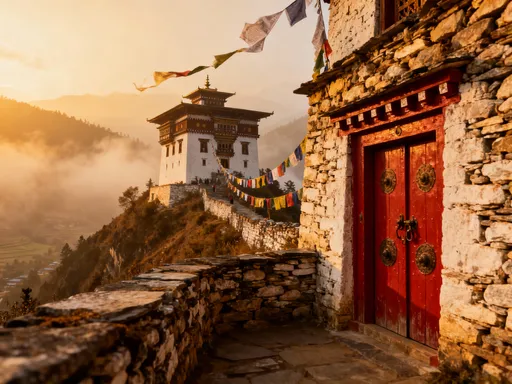
You know that feeling when a place just hits different? Boudhanath isn’t just a stop on the map—it’s a living, breathing heartbeat of art and spirituality. I stepped off the dusty road, and suddenly, every sense was awake: prayer flags fluttering like whispers, the scent of incense curling through the air, mandalas glowing in temple windows. This isn’t just sightseeing. This is stepping into a world where culture isn’t displayed—it’s lived. And honestly? I wasn’t ready for how deep it would pull me in.
Arrival: First Impressions of Boudhanath
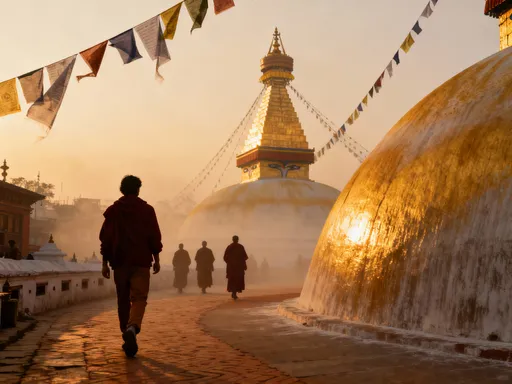
Leaving central Kathmandu behind, the journey to Boudhanath feels like crossing a quiet threshold. The city’s honking rickshaws and crowded markets gradually give way to a calmer rhythm as the road unwinds toward the eastern edge of the valley. Then, without warning, it appears—the Great Stupa, rising like a golden crown above the rooftops. Its whitewashed dome swells into the sky, framed by fluttering prayer flags that dance in the Himalayan breeze. The air changes here. It carries the soft chime of brass bells, the earthy aroma of juniper smoke, and the low murmur of mantras repeated with devotion. This is not a museum exhibit or a curated tourist zone. Boudhanath is alive, pulsing with a rhythm shaped by centuries of faith and tradition.
Visitors often describe the moment they first see the stupa as something beyond visual—it’s a bodily sensation, a shift in energy. The sheer scale of the structure commands attention, yet it radiates serenity rather than grandeur. Pilgrims, monks, and locals move in slow, purposeful circles around its base, their footsteps worn into the stone pathways. Children spin prayer wheels with giggles, while elders press their palms together in silent reverence. Even without understanding the full meaning behind each gesture, one senses that this is a place governed by deeper laws—of compassion, mindfulness, and continuity. The arrival experience at Boudhanath does more than impress; it prepares the heart for immersion.
What makes this first encounter so powerful is the authenticity of the moment. There are no timed entry tickets, no velvet ropes, no loudspeakers announcing historical facts. Instead, travelers enter a living ritual, one that unfolds naturally and daily. The transition from urban chaos to sacred stillness happens not through architecture alone, but through the presence of people who carry the culture forward. It’s here, in those first quiet minutes, that the true nature of Boudhanath reveals itself: not as a monument frozen in time, but as a community breathing life into ancient traditions.
The Stupa: Heartbeat of Buddhist Art and Architecture
At the center of Boudhanath stands one of the largest and most revered stupas in the world, a masterpiece of Tibetan Buddhist design that embodies both spiritual philosophy and artistic mastery. Every line, color, and proportion carries symbolic meaning, turning the structure into a three-dimensional mandala—a visual guide to enlightenment. The massive white dome represents the earth, while the cube atop it, painted with the all-seeing eyes of Buddha, symbolizes the sky and the watchful awareness of wisdom. These eyes gaze out in all four directions, reminding all who pass by that nothing escapes the gaze of compassion and truth.
Beyond symbolism, the craftsmanship is extraordinary. The golden spire that rises above the cube is adorned with 13 gilded rings, each representing a stage on the path to nirvana. At its peak, a small golden umbrella catches the sunlight, flashing like a beacon of hope. The entire structure is encircled by rows of prayer wheels, their metal casings engraved with mantras. As devotees spin them, the belief holds that the prayers are released into the universe, multiplying blessings with every turn. These aren’t decorative elements—they are functional tools of devotion, seamlessly woven into the sacred architecture.
The base of the stupa is equally rich in detail. Frescoes depict scenes from the life of the Buddha, while intricate wood carvings frame temple doors with floral patterns and protective deities. The surrounding walkway, known as the mandala path, is lined with butter lamps that flicker day and night, their flames fueled by offerings of ghee. During festivals like Losar or Buddha Jayanti, the entire stupa becomes a canvas of light, sound, and movement, as thousands gather to chant, dance, and circumambulate in unison. In these moments, the stupa transforms from a static monument into a living vessel of collective energy, where art and faith merge into a single, powerful expression.
Circumambulation: Walking the Path of Devotion
One of the most profound experiences at Boudhanath is participating in kora, the ritual of walking clockwise around the stupa. This practice, rooted in Tibetan Buddhist tradition, turns physical movement into a form of meditation. With each step, pilgrims recite mantras, spin handheld prayer wheels, or count beads on mala strings. The path itself is worn smooth by generations of footsteps, a testament to the enduring rhythm of devotion. For many, this walk is not a one-time visit but a daily discipline—a way to purify the mind, accumulate merit, and stay connected to spiritual values amidst the demands of daily life.
Observing the kora reveals the diversity of those who engage in it. Elderly women in maroon robes shuffle forward with canes, their lips moving in silent prayer. Monks in crimson cloaks walk in pairs, discussing scripture between chants. Young parents push strollers, teaching their children to spin the wheels and bow at sacred points. Even tourists, hesitant at first, often find themselves drawn into the flow, matching their pace to the quiet procession. There is no pressure, no judgment—only the shared understanding that walking this path, regardless of one’s background, can be an act of presence and respect.
The kora is more than a religious act; it is a public performance of culture. The path becomes a stage where personal faith intersects with communal identity. The sound of spinning wheels blends with the occasional burst of a conch shell or the deep note of a ritual drum. Incense smoke curls upward, mingling with the scent of warm bread from nearby bakeries. This sensory tapestry transforms the circumambulation into a full-body experience—one that engages not just the mind, but the heart and spirit. In a world increasingly dominated by speed and distraction, the kora offers a rare invitation to slow down, to move with intention, and to walk in harmony with something greater than oneself.
Street Art with Soul: Murals, Masks, and Sacred Symbols
Just beyond the stupa’s outer ring, the narrow alleys of Boudhanath unfold into a vibrant network of artisan workshops and family-run studios. Here, traditional Tibetan art thrives not as a relic of the past, but as a living craft passed down through generations. Walls are alive with murals depicting wrathful deities, celestial dancers, and lotus blossoms emerging from mud—symbols of transformation and purity. These images are not merely decorative; they serve as visual teachings, guiding viewers toward deeper understanding of Buddhist principles.
Inside small, dimly lit shops, artists paint thangkas—detailed religious scrolls created using natural pigments and fine brushes made from squirrel hair. Each piece can take weeks or even months to complete, requiring immense patience and spiritual focus. The process often begins with a blessing, and artists may meditate before beginning work, ensuring their minds are clear and their intentions pure. Visitors are sometimes invited to watch, not as customers, but as witnesses to a sacred practice. These moments offer rare insight into how art and devotion are inseparable in this culture.
Equally striking are the hand-carved wooden masks used in monastic dances and festivals. Painted in bold reds, blues, and golds, they represent protectors of the Dharma, guardians who ward off ignorance and ego. While some are made for ritual use, others are adapted for display, allowing tourists to appreciate their beauty without compromising their sacred purpose. This balance—between preservation and accessibility—is carefully maintained. Artisans take pride in sharing their work, but they also guard its integrity. Buying a thangka or mask here is not a transaction; it’s an exchange rooted in respect and understanding.
Temples and Monasteries: Where Culture Lives Beyond the Stupa
Surrounding the Great Stupa are dozens of smaller monasteries, or gompas, each with its own courtyard, shrine room, and community of monks. These are not tourist attractions, but living centers of learning and practice. In the early morning, the air fills with the sound of young monks reciting prayers in unison, their voices rising like a chant from the earth. Some study philosophy, others practice debate—a traditional method where students stand and argue points of doctrine with dramatic hand claps and gestures, sharpening their minds through rigorous dialogue.
The walls of these monasteries are covered in ancient murals, many restored by skilled local artists who follow centuries-old techniques. Courtyards host daily rituals—butter lamp offerings, incense ceremonies, and the occasional masked dance rehearsal. During major festivals, the gompas come alive with color and movement, as monks in elaborate robes perform sacred dances known as cham. These performances are not entertainment; they are teachings in motion, designed to convey moral lessons and dispel negative energies.
What makes these spaces so vital is their role in cultural continuity. They are schools, spiritual homes, and community hubs all at once. Young boys from remote Himalayan villages arrive here to begin their training, often staying for years. Their days follow a strict schedule—prayer at dawn, study sessions, meals taken in silence, and evenings devoted to meditation. This structured life may seem austere to outsiders, but within the monastery walls, it is seen as a path to inner freedom. For visitors, glimpsing this world offers a rare understanding of how tradition is sustained—not through spectacle, but through daily discipline and devotion.
Local Life: Cafés, Crafts, and Cultural Continuity
Beyond the spiritual core of Boudhanath lies a thriving neighborhood where tradition and modern life coexist. Tibetan-style cafés line the streets, serving steaming cups of butter tea and plates of momos—dumplings filled with spiced vegetables or yak meat. The scent of cumin and garlic drifts from open kitchen windows, mingling with the incense from nearby shrines. Families gather at low wooden tables, laughing over shared meals, while monks in maroon robes sip tea between temple visits.
Shops sell handmade prayer beads, woven woolen scarves, and intricately carved wooden boxes. Many are run by women who learned their crafts from mothers and grandmothers. They welcome visitors with warm smiles, offering stories behind each piece without pressure to buy. These small businesses are more than economic ventures—they are acts of cultural preservation. Every hand-knotted bracelet, every embroidered apron, carries a thread of identity that has survived displacement, migration, and change.
Children play near temple steps, chasing each other past rows of spinning wheels. Some wear traditional Tibetan clothing; others wear school uniforms with backpacks covered in cartoon characters. This blend of old and new is not a contradiction, but a reflection of resilience. The people of Boudhanath are not performing for tourists—they are living their lives, adapting where necessary, but holding fast to what matters. For travelers, this is a reminder that ethical engagement means more than taking photos. It means listening, learning, and supporting local livelihoods in ways that honor, rather than exploit, sacred traditions.
Reflection: Why Boudhanath Changes How You See Culture
Leaving Boudhanath, one doesn’t simply carry memories of a beautiful place. One carries a shift in perspective. This site does not invite passive observation; it calls for presence. Unlike destinations where culture is packaged and presented, Boudhanath allows visitors to step inside a living tradition—one that breathes, evolves, and endures through the daily acts of ordinary people. It teaches that culture is not something to be consumed, but something to be respected, felt, and understood on its own terms.
What lingers longest is the sense of interconnectedness—the way art, faith, and community weave together into a single fabric. The painted eyes of the Buddha watch not to judge, but to remind us of awareness. The spinning wheels do not merely symbolize prayer; they embody the constant motion of intention. The laughter of children, the chants of monks, the brushstrokes of artists—all contribute to a rhythm older than any individual, yet renewed with each generation.
Boudhanath challenges the modern impulse to rush, to document, to collect experiences like souvenirs. Instead, it offers a different way of being: slower, more attentive, more open. It reminds us that the deepest forms of beauty arise not from spectacle, but from sincerity. To visit Boudhanath is not just to see a stupa—it is to witness how culture, when lived with devotion, becomes a force that shapes lives, strengthens communities, and bridges the sacred and the everyday. In a world searching for meaning, this quiet corner of Kathmandu stands as a quiet testament to the enduring power of belief, art, and human connection.