You Gotta See These Hidden Shopping Gems in Sicily
Sicily isn’t just about ancient ruins and stunning coastlines—its shopping scenes are seriously underrated. I was blown away by the vibrant markets, local boutiques, and artisan workshops tucked in plain sight. From Palermo’s chaotic street bazaars to quiet ceramic studios in Caltagirone, every stop felt authentic and full of soul. This is shopping that connects you to the island’s heart. More than a transaction, each purchase tells a story of heritage, craftsmanship, and daily life shaped by centuries of Mediterranean rhythm. For travelers seeking meaningful experiences, Sicily’s hidden retail treasures offer a sensory journey into the island’s cultural core.
Why Sicily’s Shopping Scene Stands Out
Sicilian shopping defies the global trend of homogenized retail. Here, commerce is deeply rooted in tradition, family legacies, and a reverence for handmade artistry. Unlike tourist zones filled with mass-produced souvenirs, Sicily’s most rewarding shopping happens in places where locals have shopped for generations. The island’s position at the crossroads of Europe, Africa, and the Middle East has created a unique blend of influences visible in its textiles, ceramics, and culinary goods. This cultural mosaic is not just decorative—it shapes the very essence of what is made, how it’s made, and why it matters.
What truly sets Sicily apart is its commitment to slow shopping—a growing movement that values connection over convenience. In towns across the island, families continue to produce goods using techniques passed down for centuries. Whether it’s a linen seamstress in Taormina, a ceramicist in Caltagirone, or a soapmaker in Ortigia, these artisans see their work as both a craft and a responsibility. Their shops are not merely storefronts; they are extensions of home, often operating out of centuries-old buildings where the scent of citrus, clay, or olive oil lingers in the air.
The rhythm of Sicilian shopping also follows seasonal and local patterns. Markets burst with fresh citrus in winter, almonds in late spring, and sun-dried tomatoes in summer. This connection to the land ensures that products are not only authentic but also timely. Visitors who shop with intention—choosing a hand-painted plate, a jar of wildflower honey, or a linen scarf dyed with local plants—are not just acquiring souvenirs. They are participating in a living tradition. This authenticity is why Sicily’s shopping experience stands out: it’s not about consumption, but connection.
Palermo’s Street Markets: Chaos with Character
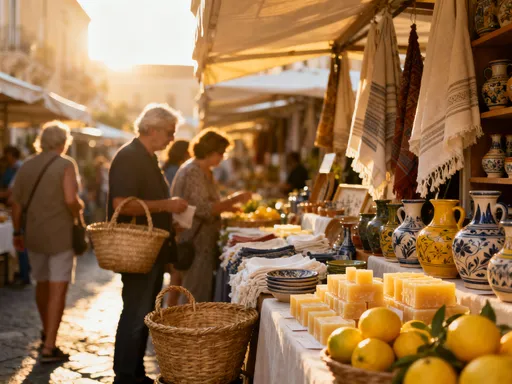
Palermo’s street markets are the pulse of the city’s daily life. Ballarò, Vucciria, and Capo are not tourist attractions—they are working marketplaces where Sicilians come to buy fresh fish, seasonal vegetables, spices, and household goods. These markets are loud, crowded, and unapologetically real. The air hums with bartered prices, the sizzle of street food, and the scent of saffron, garlic, and ripe figs. For visitors, navigating these spaces can be overwhelming at first, but that’s part of their charm. This is shopping stripped of pretense, where authenticity reigns.
Each market has its own personality. Ballarò, stretching along Via Antonio Ballarò, is the largest and most vibrant, open from early morning until late afternoon. It’s a sensory overload in the best way—vendors shout over one another, mounds of blood oranges glow under the sun, and baskets overflow with capers, olives, and dried herbs. Amid the produce stalls, you’ll find vendors selling handmade baskets, embroidered linens, and vintage clothing. These items aren’t staged for tourists; they’re part of the local economy, often sourced from nearby villages or family-run workshops.
Vucciria, once a bustling night market, has evolved but still retains its gritty soul. Located near the port, it’s smaller than Ballarò but equally lively. By day, it’s a mix of food vendors and small goods sellers. By evening, some stalls transform into informal eateries serving panelle (chickpea fritters) and sfincione (Sicilian pizza). While it’s less touristy than in past decades, visitors are welcome—especially those who approach with respect and curiosity. A simple “buongiorno” and a smile go a long way in building rapport with vendors.
Capo Market, nestled in the historic Albergheria district, offers a slightly more organized layout while maintaining authenticity. It’s particularly known for its spice vendors, where glass jars are filled with turmeric, cinnamon, and locally foraged herbs. This is the place to find saffron from the nearby hills or wild fennel seeds used in traditional sausages. Artisanal textiles are also available—look for cotton tablecloths with hand-stitched borders or woolen shawls woven in mountain towns. For the mindful shopper, Capo offers a chance to support local producers while learning about Sicilian ingredients firsthand.
Practical tips enhance the experience. Visit early in the morning, ideally between 7:30 and 9:30 a.m., when the markets are fully stocked and less crowded. Wear comfortable shoes—cobblestone streets and uneven pavement are common. Carry cash in small denominations, as many vendors do not accept cards. While bargaining is not customary for food items, it’s sometimes acceptable for clothing or handmade goods, especially if buying in bulk. Above all, come with an open mind. Let the sights, sounds, and smells guide you. The best finds often come from spontaneous conversations with vendors who are proud to share their craft.
Taormina’s Boutique Allure: Elegance on a Sicilian Slope
Perched on a hillside with views of Mount Etna and the Ionian Sea, Taormina offers a more refined shopping experience. Along Corso Umberto, the town’s main pedestrian street, boutique windows display delicate jewelry, crisp linen garments, and perfumes infused with local citrus. This is upscale Sicily—elegant but never ostentatious. The shops are mostly family-owned, many operating for decades, blending Italian sophistication with island warmth. Unlike commercial shopping districts in larger cities, Taormina’s retail scene feels personal, even intimate.
Jewelry stores are a highlight. Several artisans specialize in coral and mother-of-pearl pieces, materials long associated with the Mediterranean. Others craft gold and silver designs inspired by ancient Greek and Arab motifs—symbols that reflect Taormina’s layered history. Some jewelers offer custom services, allowing visitors to commission a piece using local gemstones or family heirlooms. These interactions are not rushed; they unfold over conversation, sometimes with a glass of lemon granita offered by the shopkeeper. It’s a reminder that in Sicily, service is an expression of hospitality.
Linen boutiques are equally compelling. The island’s hot summers have long made lightweight, breathable fabrics essential. Local designers create everything from tailored shirts to flowing dresses, often using natural dyes derived from pomegranate, indigo, or madder root. Many brands emphasize sustainability, sourcing fabric from small Italian mills and producing in limited runs. Shoppers appreciate not only the comfort and quality but also the story behind each garment. A linen blouse, for instance, might be hand-finished by a seamstress in a nearby village, its dye batch influenced by the season’s harvest.
Perfumeries in Taormina capture the island’s olfactory identity. One family-run shop has been crafting citrus-based scents for over 80 years, using bergamot, lemon, and bitter orange from local groves. The process remains unchanged: cold-pressing fruit peels, blending with essential oils, and aging in glass vessels. Visitors can observe the process through a viewing window or even participate in a short workshop. These fragrances are more than luxury items—they are liquid memories of Sicily’s orchards and coastline.
Seasonal sales, particularly in January and July, attract discerning shoppers. While discounts are modest compared to northern Europe, the value lies in the quality and uniqueness of the goods. Service etiquette is simple but meaningful: greet the shopkeeper upon entry, engage in conversation, and allow time for recommendations. Pushy sales tactics are rare; instead, trust is built through patience and mutual respect. For visitors, this creates a relaxed, almost familial atmosphere—one where shopping feels less like a transaction and more like a shared moment of appreciation.
Caltagirone and the Art of Sicilian Ceramics
Nestled in the hills of southeastern Sicily, Caltagirone is a town defined by clay. Renowned for its centuries-old ceramic tradition, it was designated a UNESCO Intangible Cultural Heritage site for its mastery of *majolica*—a type of tin-glazed pottery characterized by vibrant colors and intricate hand-painted designs. The town’s most famous landmark, the 142-step Scalinata di Santa Maria del Monte, is itself a canvas: each step is adorned with a unique ceramic tile, creating a dazzling mosaic that shifts in color and pattern as you ascend.
The art of Caltagirone ceramics dates back to the Arab-Norman period, when North African techniques merged with local craftsmanship. Over time, distinct styles emerged—floral motifs, geometric patterns, and scenes from daily life or mythology. The color palette is deeply symbolic: blue represents the sea, yellow the sun, green the island’s fertile hills, and red the volcanic soil of Etna. These are not arbitrary choices but reflections of the island’s identity. Artisans often pass down designs through generations, preserving family signatures and regional variations.
Visitors can explore working studios throughout the town, many of which welcome guests for tours and demonstrations. In a quiet alley, a third-generation potter might be shaping a vase on a kick wheel, while his daughter paints delicate vines onto a platter using a single-hair brush. The process is slow and meticulous—each piece takes days to complete, from forming and drying to glazing and firing. Watching this unfold is a lesson in patience and precision.
Buying ceramics in Caltagirone is more than a shopping trip; it’s a cultural immersion. Many studios offer the option to ship purchases internationally, ensuring fragile items arrive safely. For those who want to try their hand at the craft, several workshops provide short classes in painting or molding. These experiences are especially meaningful for families or travelers seeking a tangible connection to the island’s heritage.
To ensure authenticity, look for the official “Caltagirone Ceramica” seal or a signature from a recognized artisan. Avoid mass-produced imitations sold in tourist-heavy areas outside the town. Genuine pieces may be more expensive, but they carry the weight of tradition and skill. A hand-painted plate or figurine isn’t just decor—it’s a piece of living history, crafted by someone who sees their work as both art and duty.
Syracuse’s Local Craft Revival in Ortigia
The island of Ortigia, the historic heart of Syracuse, has undergone a quiet renaissance in recent years. Once a fading neighborhood, it is now a hub for independent designers, artisans, and small-scale producers committed to reviving traditional crafts. Narrow streets lined with baroque buildings now house boutiques selling olive oil soaps, hand-thrown pottery, linen apparel, and amber jewelry. This revival is not driven by tourism alone but by a growing pride in local identity and sustainability.
One of the most beloved products is soap made from Sicilian olive oil. Several small workshops use cold-process methods to create bars infused with local herbs—rosemary, thyme, and wild mint—harvested from the surrounding countryside. The result is a gentle, moisturizing soap with a subtle, earthy fragrance. These soaps are often wrapped in recycled paper with simple labels, emphasizing transparency and eco-conscious values. Customers appreciate not only the quality but the story: each bar supports local farmers and reduces reliance on imported goods.
Linen and cotton apparel are also central to Ortigia’s craft scene. Designers focus on timeless cuts and natural dyes, creating pieces that are both elegant and practical for the Mediterranean climate. Some brands collaborate with elderly seamstresses who preserve traditional embroidery techniques, ensuring that these skills are not lost. The garments are sold in small ateliers, where visitors can meet the makers and learn about the production process. This transparency builds trust and deepens the emotional value of each purchase.
Amber jewelry, often set in silver, is another specialty. While amber itself is not native to Sicily, local artisans have long worked with the material, crafting necklaces, earrings, and bracelets with minimalist designs. Some pieces incorporate small ceramic beads from Caltagirone or fragments of sea glass collected from nearby beaches, blending multiple regional crafts into a single creation. These details reflect a broader ethos: sustainability, storytelling, and interconnectedness.
A self-guided walking route through Ortigia’s craft quarter enhances the experience. Begin at the Fonte Aretusa, a freshwater spring by the sea, then stroll along Via dell’Arco, where several artisan shops are clustered. Pause at a small perfumery that blends citrus and jasmine, then continue to a ceramics studio offering personalized painting sessions. End at a family-run linen shop where owners share photos of their village workshops. This route is not about ticking off stores but about slowing down, observing, and connecting. Each stop offers a window into the values shaping Ortigia’s revival: quality over quantity, tradition over trend, community over commerce.
Practical Tips for Smart Shopping in Sicily
Navigating Sicily’s shopping landscape becomes easier with a few practical insights. First, cash is still king in many markets and small shops, especially outside major cities. While larger boutiques in Taormina or Palermo accept cards, it’s wise to carry euros in small bills for markets, street vendors, and rural artisans. ATMs are widely available, but some charge fees, so notify your bank before traveling.
Bargaining is not a universal norm. In fixed-price stores and boutiques, prices are rarely negotiable. However, in open-air markets like Ballarò or smaller craft stalls, polite haggling is sometimes acceptable, particularly when buying multiple items. A respectful approach—smiling, asking “Si può fare un prezzo migliore?” (Can you offer a better price?)—works best. Avoid aggressive tactics; Sicilians value courtesy over competition.
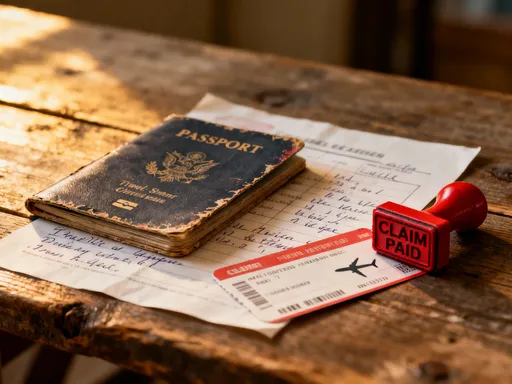
Tourists from outside the EU may be eligible for VAT refunds on qualifying purchases. To qualify, spend a minimum amount—usually around 155 euros—in a single store that participates in the tax-free shopping program. Keep your receipt and ask the merchant for a refund form. You’ll need to present the goods and documents at customs when leaving the EU. While the process takes time, it can result in a meaningful savings, especially on high-value items like jewelry or ceramics.
To avoid tourist traps, seek out shops where locals shop. If a store has no signage in Italian, or if prices seem suspiciously low, it may prioritize volume over authenticity. Read labels carefully—look for “fatto a mano” (handmade), “prodotto siciliano” (Sicilian product), or mentions of specific towns like Caltagirone or Modica. These details indicate genuine origin.
Seasonality plays a key role in product availability. In summer, look for lemon-based goods—candies, liqueurs, and skincare—made from the island’s famous Femminello lemons. Fall brings honey, especially from wild thyme and citrus blossoms, as well as chestnuts and nuts. Winter is the time for citrus, including blood oranges and clementines, often sold in decorative gift boxes. Spring offers fresh olive oil from the previous harvest and handmade almond pastries. Shopping with the seasons ensures freshness and supports local agriculture.
Most importantly, prioritize small businesses. Family-run shops, artisan studios, and local markets reinvest in their communities. A purchase from a ceramicist in Caltagirone or a soapmaker in Ortigia directly supports a livelihood, preserves a craft, and sustains a way of life. In doing so, travelers contribute to a more authentic and equitable tourism economy.
Beyond the Purchase: How Shopping Connects You to Sicily
Shopping in Sicily is more than acquiring objects—it’s an act of cultural engagement. Every item carries a story: the hands that shaped it, the land that inspired it, the family that preserved the tradition. A scarf dyed with pomegranate rind, a candle scented with bergamot, a plate painted with volcanic red—these are not mere souvenirs. They are tangible links to a place and its people.
When travelers choose to shop mindfully, they move beyond sightseeing into deeper connection. They learn the name of the artisan, hear the history of a craft, and understand the seasonal rhythms that shape production. This transforms shopping from a transaction into a relationship. It fosters empathy, appreciation, and memory. Years later, a ceramic bowl or linen napkin can evoke not just a trip, but a moment of human connection—of laughter in a market, the scent of citrus in a perfumery, the pride in a craftsman’s eyes.
Supporting Sicily’s small-scale producers also helps preserve cultural heritage. In an age of mass production and digital commerce, these artisans face real challenges. Yet their persistence keeps traditions alive. By choosing authenticity over convenience, travelers become allies in this effort. They help ensure that future generations can still walk into a workshop in Caltagirone, watch a potter at work, and take home a piece of living history.
So the next time you plan a trip to Sicily, rethink your shopping list. Look beyond the obvious. Seek out the quiet studio, the local market, the family-run boutique. Engage with the makers. Ask questions. Listen. Let your purchases reflect not just your taste, but your values. In doing so, you don’t just bring home souvenirs—you bring back stories, connections, and a deeper understanding of one of the Mediterranean’s most soulful islands. Explore with intention. Shop with heart. Remember the people behind the products.