What It Feels Like to Live the Festival Dream in Busan
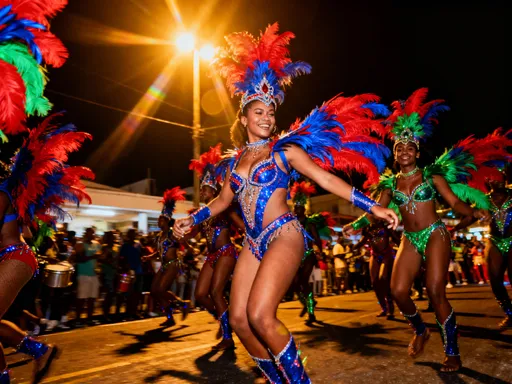
Festivals in Busan aren’t just events—they’re full-body experiences that flood your senses with color, sound, and energy. From mesmerizing lantern parades along the pier to electrifying K-pop beats echoing through coastal streets, Busan’s festival culture pulses with authenticity. I’ve walked the crowds during the Jagalchi Festival and danced barefoot at the Busan International Rock Festival—this city doesn’t just host events, it lives them. If you’re chasing real moments, not staged snapshots, Busan’s festival rhythm will pull you in. More than a tourist destination, it’s a place where culture breathes through celebration, where every season brings a new reason to gather, reflect, and rejoice. For women who seek meaningful travel—rich in connection, warmth, and discovery—Busan offers an invitation to feel, not just see.
Why Busan? The Pulse of South Korea’s Coastal Festival Scene
Perched along the southeastern edge of the Korean Peninsula, Busan is a city shaped by tides, both literal and cultural. As South Korea’s second-largest metropolis and its busiest port, it has long served as a gateway—between regions, between traditions, and between Korea and the world. This openness defines its festival spirit. Unlike more formal cultural centers, Busan’s celebrations are grounded in everyday life: the fisherman’s chant at dawn, the laughter of families picnicking on rocky shores, the hum of street vendors grilling octopus skewers late into the night. These rhythms are woven into the city’s events, making them feel less like performances and more like shared moments of joy.
Geography plays a crucial role in shaping these experiences. Nestled between mountains and the sea, Busan’s festivals often unfold at the meeting point of land and water. The breeze off the East Sea carries the scent of salt and grilled mackerel, while hillside neighborhoods drape their alleys with paper lanterns during autumn festivals. This natural setting gives the city’s events a distinct atmosphere—one that feels both vibrant and intimate. Whether it’s a drum procession echoing through a coastal village or a film screening under the stars at Haeundae Beach, the environment enhances the emotional resonance of each celebration.
Busan’s cultural calendar is packed, yet never overwhelming. The city avoids the commercialized feel of manufactured tourism by anchoring its festivals in genuine community participation. Locals don’t just attend—they prepare for months, crafting floats, rehearsing dances, and sharing recipes passed down through generations. This authenticity is what draws visitors seeking more than photo opportunities. It’s a place where you can stand shoulder to shoulder with a grandmother selling handmade seaweed snacks and feel, for a moment, like you belong. For women who value connection, tradition, and heartfelt experiences, Busan’s festival culture offers a rare depth of engagement.
Moreover, the city’s openness to global influences adds another layer of richness. As a frequent host of international events—from film festivals to maritime expos—Busan embraces cross-cultural exchange without diluting its identity. You’ll hear Korean, English, Chinese, and Russian spoken in festival crowds, yet the core of each event remains rooted in local pride. This balance of inclusivity and authenticity makes Busan not just a destination, but a living dialogue between the local and the global—one that welcomes thoughtful travelers with warmth and sincerity.
Busan International Film Festival: Where Cinema Meets the Sea
Every October, the world turns its eyes to Haeundae, where the Busan International Film Festival (BIFF) transforms the coastal district into a cinematic hub. Established in 1996, BIFF has grown into one of Asia’s most respected film events, known not for red-carpet extravagance, but for its commitment to artistic expression and accessibility. Unlike more exclusive festivals, BIFF opens its doors wide: hundreds of films from over 70 countries are screened, many with free or low-cost admission. This democratization of cinema allows audiences to explore bold new voices—from independent Korean directors to emerging filmmakers in Southeast Asia and beyond.
The heart of the festival lies at the Busan Cinema Center, a striking architectural landmark with a sweeping roof that seems to float above the plaza. Here, filmgoers gather not just to watch movies, but to engage. Panels and Q&A sessions with directors are held in open-air venues, some just steps from the beach. The sound of waves blends with discussions about storytelling, social change, and the future of film. For women who appreciate thoughtful dialogue and creative inspiration, these moments offer a rare chance to connect with the minds behind the lens. You don’t need an industry badge to join—you just need curiosity and a willingness to listen.
Navigating BIFF as a general attendee is both manageable and rewarding. Public screenings are well-marked, with schedules available in English and Korean. The festival app provides real-time updates on ticket availability and venue changes. For those without reservations, same-day tickets are often released an hour before showings, and lines move quickly. To avoid the busiest periods, consider attending weekday matinees or exploring the satellite screenings in smaller theaters across the city. Many visitors also enjoy the outdoor night screenings at Haeundae Beach, where a giant screen rises against the darkened sea—a magical setting that blends art and nature.
Beyond the films, BIFF fosters a sense of community. The BIFF Village in Jung-gu buzzes with food stalls, art installations, and pop-up performances. It’s common to strike up conversations with fellow film lovers, exchanging recommendations over cups of roasted barley tea. The festival’s atmosphere is one of shared discovery, not competition or status. For women traveling solo or with friends, this welcoming energy makes BIFF not just a cultural event, but a personal journey—one that celebrates empathy, imagination, and the power of stories to bring people together.
Jagalchi Festival: A Seafood Lover’s Celebration of the Catch
No festival captures Busan’s identity quite like the Jagalchi Festival, held each October at the nation’s largest fish market. This is not a sanitized food fair, but a lively, sensory-rich tribute to the city’s maritime soul. From the moment you step into the market, you’re immersed: the slap of fish on wet concrete, the shouts of auctioneers, the briny scent of the sea. Vendors in rubber boots move with practiced speed, while curious visitors sample everything from live octopus to sea urchin roe. The festival celebrates the fishermen and women whose labor feeds the city, honoring their skills with games, cooking demos, and, of course, endless feasting.
One of the highlights is the squid-toss game, where participants fling fresh squid into baskets for prizes—a silly, joyful activity that draws laughter from all ages. Cooking competitions showcase regional dishes like *jjukkumi* (spicy stir-fried baby octopus) and *hoe* (Korean-style sashimi), prepared by both professionals and home cooks. Visitors can join workshops to learn how to clean and grill seafood the local way, gaining hands-on experience that goes beyond tasting. For women who enjoy cooking or want to bring authentic flavors home, these sessions offer both fun and practical value.
To experience Jagalchi like a local, arrive early in the morning when the market is at its most active. This is when the freshest catches arrive, and the energy is electric. Wear comfortable, waterproof shoes and be prepared for damp floors. While most vendors accept cards, having cash on hand speeds up small purchases. The festival runs for about five days, with weekends drawing the largest crowds—so if you prefer a calmer visit, aim for a weekday. Autumn is ideal, not just for the festival, but for the quality of the seafood, which peaks in cooler months.
Transportation is straightforward: Jagalchi Market is just a short walk from Jagalchi Station on Busan Metro Line 1. From there, you’re steps away from the festival grounds and nearby attractions like Gukje Market and Nurimaru APEC House. The area is well-lit and safe, with clear signage in English. For those concerned about dietary restrictions, many vendors offer grilled options that are naturally gluten-free or low-carb. Whether you’re a seasoned seafood lover or simply curious, the Jagalchi Festival offers a taste of Busan’s heart—one that’s bold, unfiltered, and deeply satisfying.
Lotus Lantern Festival: When the Streets Glow with Meaning
Held each spring in honor of Buddha’s birthday, the Lotus Lantern Festival is celebrated across South Korea, but Busan’s version carries a unique coastal grace. While Seoul’s procession draws massive crowds through city streets, Busan’s celebration unfolds with a quieter, reflective beauty. Along Dalmaji Hill and the paths leading to Haedong Yonggungsa Temple, thousands of handcrafted lanterns illuminate the night. Shaped like lotuses, fish, dragons, and waves, they reflect both Buddhist symbolism and the city’s deep connection to the sea. The effect is serene—a gentle glow dancing on water, candles flickering in the breeze, families walking together in quiet awe.
The highlight is the lantern parade, where participants carry their creations through the streets, often accompanied by traditional music and drumming. Unlike more tourist-focused events, this festival retains a spiritual core. Many attendees are pilgrims or temple visitors, lighting lanterns as offerings for peace, healing, or gratitude. For women seeking moments of stillness amid travel, the experience can be deeply moving. There’s a sense of collective intention—a shared hope carried on light and prayer. You don’t need to be Buddhist to feel it; the emotion transcends doctrine, touching something universal in the human spirit.
Visitors can join the procession by making their own lantern at a workshop earlier in the day. These sessions, often held at temples or cultural centers, are family-friendly and conducted with care. Participants learn about the meaning behind the lotus—purity, enlightenment, resilience—and then assemble their lanterns with paper, wire, and candles. It’s a meditative activity, especially meaningful when you later carry your creation through the darkened streets. If you prefer to observe, the best viewing spots include the steps leading down to Haedong Yonggungsa and the coastal walkway near Haeundae.
Respect is key during the festival. Dress modestly, speak softly, and avoid touching others’ lanterns. Photography is welcome, but flash should be used sparingly, especially near prayer areas. The festival typically lasts several days, with the main parade on the Saturday closest to Buddha’s birthday (usually in May). Buses and shuttles run frequently to temple areas, but expect delays due to crowds. For a more peaceful experience, arrive early or visit on a weekday. The Lotus Lantern Festival is not about spectacle alone—it’s about presence, reflection, and the quiet power of shared light.
Busan Fireworks Festival: Light Bursts Over the Bay
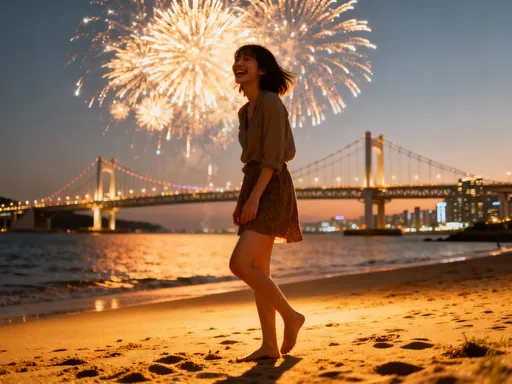
Each November, the sky above Gwangalli Beach erupts in color during the Busan Fireworks Festival, one of Korea’s most anticipated annual events. For over an hour, thousands gather along the waterfront to watch synchronized bursts of light reflect off the calm waters of the bay and the sleek curves of Gwangan Bridge. What sets this display apart is its blend of tradition and innovation: while fireworks dazzle with classic patterns—peonies, willows, chrysanthemums—drone shows now add a modern layer, forming glowing shapes like dolphins, stars, and even animated messages in the night sky. The result is a dynamic fusion of art and technology, choreographed to music that floats across the shore.
The festival’s roots lie in celebration and renewal. Originally conceived as a way to lift spirits after difficult seasons, it has grown into a symbol of resilience and connection. For locals, it’s a chance to come together, to pause and marvel at something beautiful. For visitors, it offers a moment of pure wonder—an experience that transcends language and age. Women traveling with family or friends often find it especially meaningful, a shared memory etched in light and sound. Picnics are common; many bring blankets, thermoses of tea, and small snacks to enjoy as they wait for the show to begin.
Choosing the right viewing spot can make all the difference. While Gwangalli Beach offers the most direct view, it fills up hours in advance. Alternatives include the rooftop cafés along the beachfront, which provide elevated perspectives and comfort, though reservations are essential. The walkway beneath Gwangan Bridge is another popular option, offering dramatic reflections of the fireworks in the water. For a quieter experience, consider the hills overlooking the bay, where local families often gather with portable chairs and warm drinks. Public transportation is the best way to arrive and depart—Buses and the Busan Metro run late, and parking is extremely limited.
Crowd levels are high, especially on weekends, so planning ahead is crucial. Arrive early, bring layers (the sea breeze can be chilly at night), and carry a portable seat or blanket. While food stalls line the area, bringing your own refreshments can save time and money. The festival is well-organized, with clear signage, medical stations, and multilingual staff. Though the fireworks are the main draw, the evening often includes live performances, light installations, and cultural booths—making it more than just a display, but a full celebration of community and creativity.
Hidden Gems: Off-Season and Local-Only Celebrations
Beyond the major festivals, Busan thrives in its quieter, lesser-known moments. These off-season and community-based events offer some of the most authentic experiences in the city. In coastal villages like Cheongsapo and Igidae, small-scale fisherfolk festivals honor the sea with rituals, boat blessings, and shared meals. These gatherings are rarely advertised in tourist guides, yet they welcome respectful visitors with warm curiosity. You might find yourself clapping along to a drum circle on a rocky shore or accepting a bowl of hot fish stew from an elder who insists you taste her recipe.
Temple stay programs also provide intimate cultural immersion. During designated temple culture weeks, visitors can participate in morning prayers, meditation sessions, and traditional tea ceremonies at monasteries like Beomeosa. These are not performances for tourists, but real spiritual practices, offered with generosity. Women who seek mindfulness, reflection, or a break from fast-paced travel often find these stays deeply restorative. The pace is slow, the surroundings peaceful—mountain trails, temple bells, the scent of incense drifting through pine trees.
Participating in these events requires sensitivity. Always ask before taking photos, dress modestly, and follow local customs. Many village festivals occur in spring or autumn, often tied to lunar calendars, so checking local community boards or tourism websites in advance is wise. Some events may not have English signage, but a simple smile and polite gesture go a long way. Busan locals are generally welcoming to foreigners who show genuine interest and respect.
These hidden celebrations remind us that the heart of travel isn’t in ticking off landmarks, but in the unexpected moments of connection. It might be a grandmother teaching you how to fold a rice cake, or a fisherman explaining the tides as you watch the sunrise together. These are the experiences that linger—not because they were perfect, but because they were real. For women who value depth over speed, authenticity over convenience, Busan’s quieter festivals offer a different kind of journey: one that unfolds slowly, gently, and with lasting meaning.
Planning Your Festival Journey: Timing, Transport, and Tickets
Planning a festival trip to Busan begins with timing. The city’s calendar peaks in spring (April–May) and autumn (September–November), when weather is mild and events are plentiful. BIFF in October, the Fireworks Festival in November, and the Lotus Lantern Festival in May are major draws, so booking accommodations early is essential. Mid-range hotels in Haeundae, Seomyeon, and near Nampo-dong fill quickly, but guesthouses and hanok stays offer charming, budget-friendly alternatives. Consider staying near a Metro station for easy access to festival sites.
Public transportation in Busan is efficient and user-friendly. The Metro covers most key areas, with Line 1 connecting major tourist zones. Buses supplement the network, and many have English announcements. Shuttle buses often run during large festivals, providing direct routes to event venues. Taxis are affordable and widely available, though traffic increases during peak events. For those with mobility concerns, most festival sites are accessible, though some temple or hillside locations may involve stairs.
Tickets for major festivals can be purchased online through official websites or apps, which often provide English interfaces. BIFF screenings, for example, allow advance booking, while events like the Fireworks Festival are free to attend. Be cautious of third-party resellers—stick to verified sources to avoid scams. Some smaller events operate on a first-come, first-served basis, so arriving early ensures better spots.
Packing wisely enhances the experience. Bring light, layered clothing for changing coastal temperatures, comfortable walking shoes, and a reusable water bottle. A portable seat or foldable mat is useful for beachside events. Power banks keep phones charged for photos and navigation. Most importantly, pack an open mind—festivals are unpredictable, and the best moments often come from unplanned encounters. With thoughtful preparation, your journey through Busan’s festival calendar becomes not just a trip, but a transformation.
Let the Rhythm of Busan Move You
To live the festival dream in Busan is to step into a rhythm older than tourism, deeper than entertainment. It is to feel the drumbeat of a city that celebrates life with sincerity, creativity, and heart. These festivals are not performances staged for visitors—they are expressions of identity, passed down and renewed with each generation. For women who seek travel that nurtures the soul, that connects rather than distracts, Busan offers something rare: authenticity in motion.
Whether you’re tasting freshly grilled squid at Jagalchi, watching lanterns drift toward the sea, or standing in awe beneath a sky lit by fireworks and drones, the moments stay with you. Not because they were picture-perfect, but because they were real. They carry the warmth of shared laughter, the quiet of a temple bell, the pride of a fisherman showing his catch. This is the essence of Busan—not a checklist of sights, but a feeling, a pulse, a way of being.
So when you plan your next journey, consider more than convenience. Consider connection. Let go of the need to see everything, and instead, allow yourself to feel one thing deeply. Step off the tourist path. Walk into the crowd. Let the rhythm of Busan move you. Because in the end, it’s not just about the festivals you attend—it’s about the way they change you, long after the lights fade and the music stops.