You Won’t Believe These Secret Spots in Key West
If you think you’ve seen all of Key West, think again. Beyond Duval Street and the Southernmost Point lies a quieter, more magical side few travelers ever witness. I’m talking about hidden rooftops with golden sunset views, tucked-away parks where locals sip coffee at dawn, and coastal paths that feel like secrets whispered by the ocean. This isn’t just another tourist checklist — it’s about how you see the island. The real magic isn’t in the postcards — it’s in the moments no one tells you about. It’s in the hush before the crowds arrive, in the way light dances on weathered pastel walls, and in the quiet corners where time seems to pause. This guide reveals the overlooked vantage points that transform a simple trip into a deeply personal experience.
The Myth of the Crowded Key West
Most visitors arrive with expectations shaped by brochures and social media: bustling streets, neon-lit bars, and long lines at famous landmarks. While these elements are real, they represent only a fraction of Key West’s character. The island covers just four square miles, yet its identity is often reduced to Duval Street and the Southernmost Point buoy. This narrow focus creates a misleading impression of constant congestion. In reality, overcrowding is highly localized. Studies of visitor distribution show that over 70% of tourists remain within a half-mile radius of these central attractions, leaving vast stretches of the island quiet and accessible.
The truth is, most travelers miss the island’s full viewing potential because they follow the same well-worn paths. They arrive mid-morning, snap photos in busy zones, and leave before the island reveals its softer rhythms. The shift from sightseeing to savoring the viewing experience requires intention. It means stepping off the main routes, exploring residential lanes shaded by banyan trees, and noticing how the light changes on coral stone walls throughout the day. Key West is not a checklist; it’s a mosaic of moments waiting to be discovered at one’s own pace.
By understanding where crowds gather — and where they don’t — visitors can reclaim a sense of discovery. Neighborhoods like Bahama Village, Truman Annex, and the quiet coastal edges near Higgs Beach offer rich textures without the press of tourists. These areas reflect the island’s layered history and local life. The real issue isn’t overcrowding, but perspective. When travelers prioritize presence over photography, when they value stillness over speed, they begin to see Key West not as a destination to conquer, but as a place to inhabit, even if only for a few days.
Sunrise Like You’ve Never Seen — The Quiet Side of Fort Zachary Taylor
Fort Zachary Taylor Historic State Park is one of Key West’s most visited sites, known for its Civil War-era fort, snorkeling opportunities, and oceanfront picnic areas. Yet few realize that arriving before 6:30 AM transforms this popular destination into a serene sanctuary. As the first light spills across the Gulf of Mexico, the park belongs to early risers — joggers, fishermen, and those seeking a private moment with the horizon. The usual midday buzz is absent. Instead, the air carries the scent of salt and sea grape, and the only sounds are waves lapping against limestone rocks and the distant cry of a brown pelican.
The eastern shoreline of the park offers an unobstructed view of the sunrise, where the sky shifts from indigo to rose to gold in a slow, radiant performance. Hammocks strung between sea almond trees sway gently in the breeze, empty and inviting. Sailboats, still moored for the night, cast long silhouettes across the water. This is not the Key West of tiki bars and conch fritters — it’s a quieter, more contemplative version, where nature reclaims its space. Photographers will appreciate the soft, even light, while meditators find the rhythm of the waves ideal for grounding.
Practical considerations enhance the experience. The park opens at 8:00 AM for regular visitors, but pedestrians and cyclists are permitted entry earlier, around 6:00 AM. Parking is limited at that hour, but walking or biking from nearby neighborhoods adds to the sense of journey. The best vantage points are along the rocky shoreline east of the fort, where the view faces true east. A lightweight blanket, a thermos of coffee, and a windbreaker are all one needs. No crowds, no noise — just the island waking up in silence.
Hidden Rooftop Views: A Local’s Perch Above the Chaos
One of the most transformative ways to experience Key West is from above. While most tourists stay at ground level, a handful of boutique inns and cafes offer rooftop access that reveals the island’s true layout — a patchwork of coral stone courtyards, red-tiled roofs, swaying palms, and shimmering water. These elevated spaces provide panoramic views without the commercialization of crowded observation decks. They are not widely advertised, often known only to returning guests or those who ask the right questions.
A third-floor balcony at a small inn in the Old Town district, for example, offers a sweeping vista of the harbor. From this height, the chaos of Duval Street fades into a distant hum. Instead, the eye is drawn to the play of light on water, the geometry of historic architecture, and the slow movement of fishing boats heading out to sea. At sunset, the sky ignites in layers of amber and violet, reflecting off glassy surfaces like a living painting. These rooftops are not designed for large groups; they are intimate, with just enough space for a few guests to relax with a book or a glass of local Key lime iced tea.
Elevation changes everything. From above, the island feels more connected, more coherent. The separation between land and sea blurs, and the density of buildings reveals not clutter, but charm. To access these spaces, visitors should look for accommodations that emphasize privacy and local character. Many small hotels welcome guests to rooftop areas during quiet hours, typically early morning or late evening. The key is respect — these are not party decks, but contemplative spaces. A quiet presence, a lowered voice, and a willingness to simply observe are all that’s needed to be welcomed into this rare perspective.
The Mangrove Trail That Opens to a Secret Water Vista
Nestled along the southern coastline, away from the main tourist corridors, lies a narrow nature trail bordered by red and black mangroves. This path, accessible from a quiet residential street near the White Street Pier, is rarely marked on tourist maps. It begins as a modest boardwalk, winding through dense foliage where the air is thick with the scent of damp earth and brine. Sunlight filters through the canopy in dappled patterns, and the calls of mangrove cuckoos and yellow warblers echo in the stillness. For the first few minutes, the view is enclosed, almost secretive.
Then, suddenly, the trail opens to an unspoiled stretch of open water. The vista unfolds like a revelation — a calm expanse of turquoise meeting the horizon, dotted with small skiffs and the occasional manatee breaking the surface. This is not a postcard-perfect beach, but something more authentic: a wild, untouched corner where nature dictates the rhythm. The contrast with the bustling harbor is striking. Here, there are no shops, no crowds, no music — only the gentle lapping of waves and the rustle of leaves.
This spot offers a completely different frame of Key West, one that emphasizes serenity over spectacle. It is ideal for photographers seeking natural compositions, for meditators drawn to water’s calming effect, or for anyone needing a moment of stillness. The trail is short — less than half a mile — and suitable for all ages, though sturdy footwear is recommended due to occasional dampness. Visiting in the early morning or late afternoon ensures the best light and the highest chance of wildlife sightings. This is not a destination for selfies, but for presence — a place to breathe deeply and remember why we travel in the first place.
Off-Hour Magic: What Key West Looks Like at Golden Hour
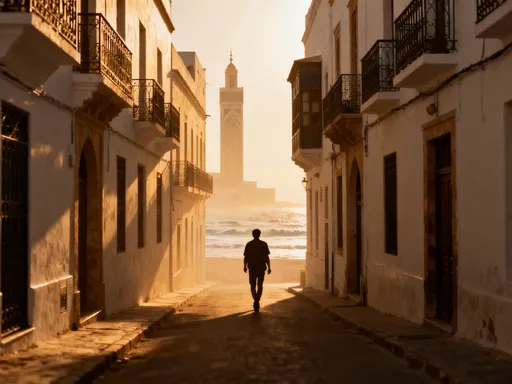
In photography, golden hour refers to the period shortly after sunrise or before sunset when the light is soft, warm, and diffused. In Key West, this phenomenon transforms the entire island into a living canvas. Midday sunlight, harsh and direct, flattens colors and creates deep shadows. But during golden hour, the pastel-colored buildings — coral pink, seafoam green, butter yellow — seem to glow from within. The light wraps around corners, turns sidewalks into ribbons of gold, and casts long, dramatic shadows that dance across courtyards.
The best streets for experiencing this effect are Eaton, Caroline, and Elizabeth — quiet residential lanes lined with historic homes and lush tropical gardens. Walking these streets at golden hour feels like moving through a dream. The architecture, often overlooked in daylight, reveals intricate details: carved wooden shutters, iron railings, and flowering bougainvillea spilling over white picket fences. The air is cooler, the pace slower. Neighbors sit on porches, waving hello. The island feels lived-in, intimate, real.
This is the perfect time for unhurried exploration. Without a schedule, without a checklist, one can follow the light. A wall painted in faded blue becomes a masterpiece when touched by sunset. A stray cat stretching in a flowerbed becomes a subject of quiet wonder. Golden hour teaches us that timing often matters more than location. The same street, seen at noon, might seem ordinary. But viewed in the soft embrace of evening light, it becomes unforgettable. For those willing to adjust their rhythm, Key West offers daily miracles — free, fleeting, and deeply personal.
Viewing From the Water: Kayak Tours That Flip the Script
Most visitors see Key West from land, looking out toward the water. But reversing that perspective — seeing the island from the sea — offers a revelation. Kayaking along the coastline provides a ground-level view of the shoreline, where colorful houses seem to rise directly from the turquoise water. From this angle, the skyline appears smaller, more human, more charming. The noise of traffic fades, replaced by the rhythmic dip of paddles and the gentle splash of waves against the hull.
Several local outfitters offer guided kayak tours that focus on quiet coves, mangrove tunnels, and protected marine areas. These are not high-speed adventures, but slow, mindful journeys. Guides often share insights about local ecology, pointing out osprey nests, blue crabs, and sea turtles. The tours typically last two to three hours and are suitable for beginners. Participants are provided with stable, sit-on-top kayaks, life jackets, and waterproof bags for personal items.
The real surprise comes when paddling past the southern shore and turning to look back at the island. From a distance of a few hundred yards, Key West appears almost dreamlike — a cluster of pastel rooftops framed by palm trees and sky. It’s a humbling perspective, one that reminds us how small we are in the grand scheme. The experience is especially magical at sunset, when the water mirrors the sky in shimmering layers of orange and pink. For safety, calm morning or late afternoon tours are recommended, when winds are light and visibility is high. Rentals are available near the marina, and advance booking ensures availability during peak seasons.
Chasing Stillness: How to Find Your Own Secret View
The most powerful views in Key West are not the ones listed in guidebooks. They are the ones discovered by accident, by patience, by presence. Finding them requires a shift in mindset — from collecting experiences to cultivating awareness. It means walking without a phone in hand, slowing down at intersections, and allowing oneself to get slightly lost. It means noticing the way morning light hits a particular wall, or how a stray beam illuminates a patch of wildflowers growing between sidewalk cracks.
Talking to locals can also open doors to hidden spots. A barista might mention a quiet bench overlooking the water. A bookstore owner might point to a lane where bougainvillea blooms year-round. These small interactions, born of genuine curiosity, often lead to the most memorable moments. There is no app, no map, no algorithm that can replicate the joy of personal discovery. The value lies not in ticking off attractions, but in missing the “must-sees” to find something no one else has seen.
Each visit to Key West reveals a new angle, a new light, a new silence. The island is not static; it changes with the tides, the seasons, the time of day. Returning visitors often find that their favorite spot from last year feels different — not worse, not better, but transformed. This is the nature of a living place. It resists being captured, categorized, or confined. To truly see Key West is to let go of expectations and embrace the unexpected. It is to understand that the best views are not taken — they are given, in moments of quiet attention.
Key West’s most powerful views aren’t marked on maps. They’re found in patience, timing, and a willingness to look beyond the obvious. When we stop chasing checklists and start seeing, the island reveals itself — not as a destination, but as a feeling. The next time you visit, don’t just go to Key West. Learn how to look at it.