This Is What Happens When Tradition Meets Trendy in Kanazawa
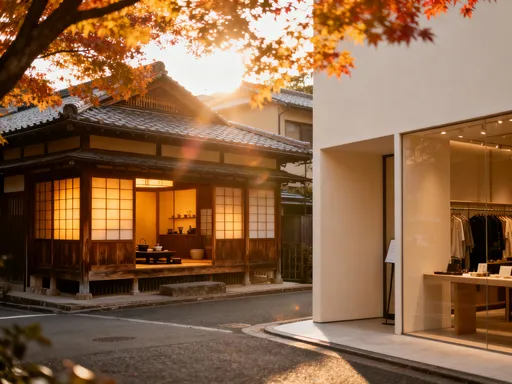
You know that feeling when a city surprises you with beauty you never expected? That was Kanazawa. Far from the Tokyo buzz, this quiet gem in Japan’s Ishikawa Prefecture blends centuries-old culture with modern flair in the most Instagram-worthy ways. I wandered through bustling commercial streets where golden teahouses sit beside minimalist boutiques, and every corner felt like a curated post waiting to happen. This is more than a travel destination—it’s a visual love letter to authenticity and style. Here, tradition isn’t preserved behind glass; it’s lived, worn, sipped, and shared in ways that feel both timeless and refreshingly current. In Kanazawa, the past doesn’t resist the present—it collaborates with it.
The Golden Heart of Kanazawa: Exploring Kenrokuen and Its Urban Surroundings
At the heart of Kanazawa lies Kenrokuen Garden, one of Japan’s most celebrated landscape gardens and a masterpiece of Edo-period design. Spanning over 11 hectares, this meticulously maintained garden offers a harmonious balance of flowing streams, arched bridges, ancient pines, and seasonal blossoms. Recognized as one of the Three Great Gardens of Japan, Kenrokuen is more than a scenic retreat—it is a cultural anchor that shapes the rhythm and aesthetic of the city around it. What makes this garden especially remarkable is not only its historical significance but also its seamless integration into daily urban life. Just beyond its moss-lined walls, the pace quickens with boutique-lined avenues and quiet cafés, where visitors transition effortlessly from meditative strolls to modern indulgences.
The influence of Kenrokuen extends far beyond its gates. Local businesses draw inspiration from the garden’s refined elegance, incorporating natural materials, subdued color palettes, and minimalist layouts into their storefronts and interiors. You’ll find tea houses that echo the garden’s architecture, using lattice windows and wooden verandas to invite the outside in. Even fashion boutiques adopt this philosophy, curating collections that feel organic and intentional rather than flashy or excessive. This quiet sophistication creates a distinctive visual language unique to Kanazawa—one where commercial spaces don’t compete with heritage but reflect it.
For travelers seeking meaningful photo opportunities, the contrast between Kenrokuen’s serenity and the energy of its surrounding streets offers endless compositional possibilities. Capture the reflection of a weeping cherry tree in a garden pond, then turn the lens toward a contemporary ceramic shop where handcrafted mugs are displayed like art objects. The juxtaposition of old and new becomes a narrative in itself, telling the story of a city that honors its roots while embracing thoughtful evolution. Early mornings are ideal for photography, when soft light filters through the trees and foot traffic remains light, allowing for unobstructed views and peaceful moments of connection with the landscape.
Higashi Chaya District: Where Geisha Walk and Cameras Click
Step into the Higashi Chaya District, and time slows. This well-preserved quarter, once a lively entertainment hub for samurai and merchants, now stands as a living museum of traditional Japanese architecture and craftsmanship. Wooden teahouses with latticed windows and tiled roofs line narrow cobblestone streets, their lanterns glowing faintly in the evening like fireflies. The district is one of Kanazawa’s three historic geisha quarters, and though performances are private, the presence of geiko (the local term for geisha) can still be glimpsed during twilight hours as they glide silently from training halls to appointments. Their elegant kimonos and deliberate movements are a reminder that culture here is not performative for tourists—it is preserved with dignity and care.
Beyond its cultural significance, Higashi Chaya is a haven for sensory exploration. Artisan workshops invite visitors to try gold-leaf pressing, a craft for which Kanazawa is famous, producing over 99% of Japan’s gold leaf. In small studios, you can press delicate sheets onto ornaments, coasters, or even desserts, creating a personal memento that embodies the city’s golden heritage. Nearby, traditional matcha desserts are served in centuries-old tea houses, where the bitter richness of powdered green tea is balanced by sweet wagashi shaped like seasonal flowers. The experience is as photogenic as it is authentic, with wooden trays, lacquered bowls, and carefully arranged sweets that look too beautiful to eat.
Photography in Higashi Chaya requires mindfulness. While the district welcomes visitors, it remains a residential and cultural space, not a stage. The best approach is to capture wide-angle shots of street scenes, architectural details, and shop fronts without intruding on private moments. Golden hour—just before sunset—paints the wooden facades in warm amber tones, enhancing textures and creating soft shadows that add depth to images. Avoid using flash or zoom lenses near individuals, especially geiko, out of respect for their privacy. Instead, focus on still lifes: a closed lattice window with a lantern glowing behind it, a tray of freshly made sweets, or a gold-leafed cup resting on a hand-carved stand. These images convey the essence of the district without crossing ethical boundaries.
Kanazawa Omicho Market: A Feast for the Eyes (and Lens)
No visit to Kanazawa is complete without a morning walk through Omicho Market, a bustling culinary artery that has fed the city for over 300 years. Stretching across five blocks, this covered market brims with energy, color, and the irresistible aroma of fresh seafood, grilled meats, and simmering broths. Stalls overflow with glistening crab legs, iridescent fish, plump oysters, and jewel-toned pickles arranged in rainbow rows. Vendors call out greetings with practiced warmth, their hands moving swiftly as they prepare samples of steaming ankake udon or crispy tempura. For the traveler, Omicho is not just a place to eat—it’s a living canvas of texture, color, and motion, ideal for immersive storytelling through photography.
The visual appeal of Omicho Market lies in its abundance. Fog rises from ramen stalls where broth bubbles in giant kettles. Brightly painted signs hang above counters stacked with mochi, melon pans, and matcha-flavored sweets. Fishermen proudly display their morning catch, arranging sea urchin, scallops, and tuna in artistic formations that resemble edible sculptures. Every stall offers a new composition: the reflection of neon lights on a wet tile floor, a vendor’s weathered hands slicing sashimi, or a customer’s delighted expression after tasting a bite of buttery uni. These candid moments, captured with discretion and respect, convey the soul of the market far more powerfully than posed shots ever could.
When photographing in Omicho, it’s essential to be courteous and observant. Always ask permission before taking close-ups of vendors or customers, and be prepared to accept a polite refusal. Many stall owners are happy to be photographed if approached with a smile and a simple gesture of appreciation. Use natural light whenever possible, as the market’s skylights create soft, diffused illumination during the day. A mid-range lens works best for balancing detail and context, allowing you to capture both the grandeur of the space and the intimacy of individual interactions. And while it’s tempting to focus only on food, don’t overlook the human element—the vendor wrapping a takeout box, the elderly couple sharing a plate of grilled squid, the child peering wide-eyed at a tank of live crabs. These are the moments that make Omicho not just a market, but a community.
21st Century Meets Edo: The Design Pulse of Kanazawa Station and Umimirai District
Kanazawa Station is not just a transportation hub—it’s a statement. Opened in 2005, the station’s striking architecture blends traditional Japanese motifs with bold contemporary design, most notably in its massive glass dome known as the Tsuzumi Gate. Inspired by the shape of a tsuzumi drum used in Noh theater, the structure soars over the entrance, its wooden lattice frame glowing softly at night. This fusion of old and new sets the tone for the entire city, signaling that Kanazawa is not frozen in time but evolving with intention. As travelers pass through this luminous gateway, they are not just arriving in a new place—they are stepping into a dialogue between heritage and innovation.
Just beyond the station lies the Umimirai District, a modern waterfront development that continues this architectural conversation. Wide pedestrian paths, reflective pools, and sleek public buildings create a sense of openness and calm. The Ishikawa Prefectural Museum of Art and the Kanazawa Umimirai Library anchor the area, offering cultural programming in spaces designed for light, flow, and accessibility. The district is home to the famous Dragon Fountain, a kinetic sculpture by American artist Gary Lee Noffke that appears to breathe fire and water in a mesmerizing cycle. This installation, inspired by local legends, has become an Instagram favorite, drawing visitors who wait patiently for the perfect moment to capture its dramatic transformation.
The commercial spaces in Umimirai reflect the same design sensibility—minimalist, functional, yet deeply rooted in regional identity. Boutiques feature local crafts alongside international brands, and cafés offer panoramic views of the water with interiors that use natural wood, stone, and paper. The lighting is soft, the acoustics are calm, and the overall atmosphere encourages lingering rather than rushing. For photographers, the district offers clean lines, reflective surfaces, and dynamic movement—ideal for creating modern, stylized images. The contrast between the historic districts and Umimirai is not jarring but complementary, like two movements in the same symphony. Together, they illustrate how a city can honor its past without being confined by it.
Local Fashion & Craft Streets: Beyond Souvenirs
Wandering through Kanazawa’s side streets, one discovers a quieter kind of commerce—one driven not by mass production but by craftsmanship and care. Along narrow lanes near the Nagamachi Samurai District and the Suzumido Craft Street, small shops showcase the work of local artisans: indigo-dyed textiles, hand-thrown ceramics, lacquered trays, and delicate washi paper goods. These are not tourist trinkets but functional, beautiful objects meant to be used and cherished. Many stores specialize in *kiligami*—ornate wrapping paper used for gifts—featuring gold-leaf patterns, seasonal motifs, or abstract designs that transform even a simple package into a work of art.
What sets Kanazawa’s craft culture apart is its integration into everyday life. Women carry reusable totes made from traditional fabrics, children eat snacks wrapped in festive paper, and tea ceremonies are conducted with cups that bear the fingerprints of their maker. This authenticity makes the city’s fashion and design scene particularly compelling for travelers who value sustainability and storytelling in their purchases. Rather than buying souvenirs, visitors are invited to collect experiences—learning how gold leaf is applied, watching a potter shape clay on a wheel, or selecting a hand-stitched furoshiki cloth to wrap a gift. These interactions deepen the connection between person and place, turning shopping into a form of cultural exchange.
For those who enjoy styling their travels for social media, Kanazawa offers endless inspiration. Imagine a flat lay featuring a matcha latte in a ceramic cup, a notebook wrapped in gold-leaf paper, a sprig of cherry blossom, and a vintage kimono sleeve peeking into the frame. Or a street-style shot of a linen dress paired with a handwoven obi belt, photographed against a backdrop of wooden storefronts. The city’s aesthetic is naturally cohesive, making it easy to create visually compelling content without over-styling. The key is to let the environment guide the composition—choose neutral tones, highlight textures, and focus on details that reflect the care behind each object. In doing so, your posts become less about consumption and more about appreciation.
Café Culture with a View: The Art of the Perfect Flat Lay
Cafés in Kanazawa are not merely places to drink coffee—they are curated experiences that celebrate seasonality, craftsmanship, and quiet beauty. Many are tucked into renovated machiya townhouses or garden-facing buildings, where large windows frame views of moss gardens, koi ponds, or snow-dusted trees. The menu often features locally sourced ingredients: matcha from Uji, sweet potatoes from Ishikawa farms, and dairy from nearby cooperatives. But it’s the presentation that elevates these moments into something shareable. A matcha latte arrives in a hand-thrown ceramic cup, its surface dusted with gold leaf. A slice of yuzu cheesecake sits on a lacquered plate, garnished with a single edible flower. Even the sugar packets are printed with traditional patterns, turning every detail into a potential photo subject.
Seasonality plays a central role in café design. In spring, tables are adorned with cherry blossom motifs, and desserts take the form of pink mochi or sakura-flavored parfaits. In winter, limited-edition *yukimi* (snow-viewing) sets include warm amazake and savory snacks served in lacquered boxes, meant to be enjoyed while watching snow fall over a garden. These temporary offerings create a sense of urgency and exclusivity, encouraging visitors to document their experience. The lighting in these spaces is carefully calibrated—soft overhead lamps, natural daylight, and occasional candlelight create a warm, flattering glow ideal for photography. Tableware is chosen for its texture and color, with matte ceramics, woven coasters, and wooden trays adding depth to flat lays.
To capture the perfect café moment, consider the rule of thirds, negative space, and natural props. A half-empty cup, a notebook with handwritten notes, or a folded umbrella in the background can add narrative depth. Avoid clutter, but don’t over-compose—authenticity resonates more than perfection. And while it’s tempting to stage elaborate setups, sometimes the most powerful image is the simplest: steam rising from a teacup, a single leaf floating in a pond outside the window, or the reflection of a guest smiling in a polished surface. These quiet details, when shared with intention, invite others to see Kanazawa not as a destination to check off, but as a feeling to remember.
Why Kanazawa’s Commercial Areas Feel Different—And Why It Matters
What sets Kanazawa apart from other tourist destinations is the way commerce and culture coexist without conflict. In many cities, historic districts become commercialized to the point of losing their soul—lined with generic souvenir shops, crowded with tour groups, and stripped of daily life. Kanazawa resists this trajectory. Here, shops serve locals as much as visitors. Tea houses host regular patrons, markets supply neighborhood kitchens, and boutiques cater to residents who value quality and heritage. This balance ensures that the city’s charm is not performative but organic, emerging from real life rather than staged for cameras.
The city’s approach to tourism is thoughtful and sustainable. Rather than encouraging mass visitation, Kanazawa promotes mindful engagement—inviting travelers to slow down, observe, and participate with respect. Signage in sensitive areas gently reminds visitors to keep voices low, avoid blocking sidewalks, and refrain from flash photography in dimly lit spaces. These small acts of consideration preserve the dignity of the community and ensure that tourism enhances rather than disrupts. For the conscious traveler, this creates a deeper sense of responsibility: to post not just for likes, but to honor what they’ve witnessed.
In an age where social media often prioritizes spectacle over substance, Kanazawa offers a different model. It reminds us that the most meaningful travel moments are not the most filtered, but the most felt. A conversation with a gold-leaf artisan, the taste of fresh sashimi at dawn, the quiet of a garden at sunrise—these are the experiences that linger long after the photos fade. By aligning commercial development with cultural preservation, Kanazawa shows that progress does not require erasure. Tradition and trend can coexist, not in competition, but in harmony. And when they do, the result is not just beautiful—it is enduring.
Kanazawa doesn’t shout for attention—it draws you in with quiet confidence. Its commercial areas aren’t just places to shop or eat; they’re living galleries where every storefront tells a story, and every stroll feels like stepping into a beautifully balanced frame. In an age of curated feeds, this city reminds us that the most shareable moments aren’t staged—they’re discovered. When tradition and trend meet this gracefully, you don’t just take pictures. You remember them.