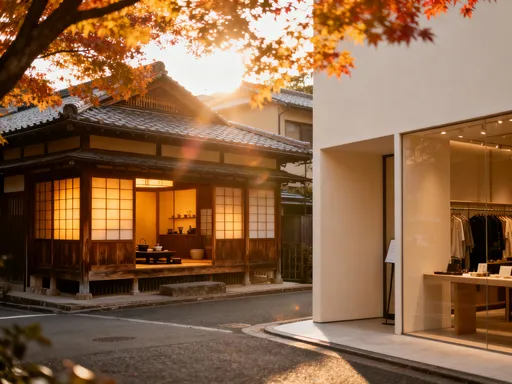
This Self-Drive Shopping Adventure in Kota Kinabalu Blew My Mind
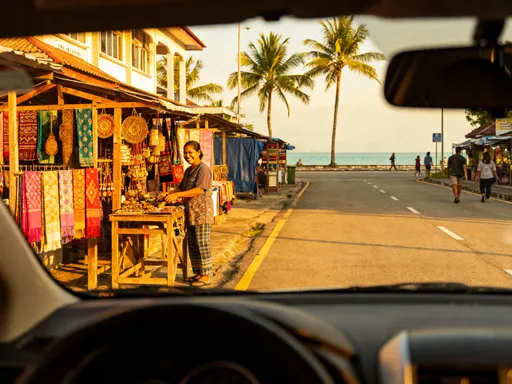
Driving through Kota Kinabalu, I discovered a whole new side of Malaysian shopping—spontaneous, local, and totally unforgettable. With the freedom of a rental car, I chased morning markets, hidden boutiques, and buzzing night bazaars at my own pace. You haven’t experienced the city’s soul until you’ve road-tripped from waterfront stalls to hillside craft shops. This is shopping, redefined by adventure and real moments. No rigid itineraries, no crowded tour buses—just the open road, the hum of the engine, and the thrill of turning a corner to find something completely unexpected. Kota Kinabalu, often celebrated for its natural beauty, reveals another dimension when explored on four wheels: a vibrant, layered shopping culture that blends tradition, creativity, and daily life.
Why Self-Driving Transforms the Shopping Experience in Kota Kinabalu
Owning the wheel in Kota Kinabalu changes everything. Public transport exists, but it limits access and flexibility, especially when your shopping goals span from coastal markets to suburban artisan corners. A rental car allows travelers to design their own route, respond to impulse discoveries, and visit multiple shopping zones in a single day without relying on fixed schedules. For families or those traveling with elderly companions, the convenience of door-to-door access and the ability to rest between stops make self-driving not just enjoyable but practical.
The city’s layout, while compact, includes districts that are best reached by car. Areas like Tanjung Aru or Likas may appear close on a map, but without a vehicle, the journey involves multiple bus changes or costly taxi rides. With a car, you can begin your morning at the waterfront, move inland for lunch and crafts, then head back toward the city center as evening falls—all without fatigue or logistical stress. This fluid movement is essential for immersive shopping, where timing, light, and crowd levels dramatically affect the experience.
Another advantage is carrying capacity. Unlike city centers where you might be limited to what you can carry on foot, a personal vehicle lets you collect larger items—handwoven baskets, wooden carvings, or textiles—without worry. Many local vendors appreciate buyers who can take purchases immediately, and some even offer discounts for bulk or bulky goods when they don’t have to store or ship them. Parking is generally accessible, with designated lots near major shopping areas and free or low-cost street options in quieter zones. While traffic can build during peak hours, early starts and GPS navigation help avoid congestion, making self-driving a smooth and empowering choice.
Morning Market Magic: Starting the Day at Filipina Street Market
There’s a special energy in the air at Filipina Street Market as the sun rises over the South China Sea. Stalls unfold like blooming flowers, revealing mounds of batik fabrics, rows of beaded jewelry, and hand-painted souvenirs that reflect Sabah’s diverse cultural heritage. The scent of sizzling street food mingles with the earthy aroma of woven rattan, creating a sensory tapestry that pulls visitors in from the first step. This bustling market, located just off the waterfront near the Signal Hill Observatory, is a favorite among locals and savvy travelers alike.
Arriving early by car gives a distinct advantage. By 7:30 a.m., the heat is still gentle, the light is golden, and the crowds are thin. Vendors are setting up, and there’s time for real conversation—not just transaction. I chatted with a woman named Puan Siti, who has sold traditional beadwork here for over twenty years. She shared stories behind each necklace, explaining how patterns represent family lineage or regional identity. Because I had the trunk space, I felt free to purchase a few larger pieces, including a ceremonial beaded panel that now hangs in my living room.
Driving to the market means you avoid the midday rush and the worst of the tropical sun. By 10 a.m., temperatures climb, and the narrow aisles become crowded with tour groups. But in the morning, the pace is calm, the bargaining is friendly, and the experience feels authentic. Many visitors miss this quieter window, arriving only after guided tours drop them off. With a car, you control the timing, allowing for a more personal and peaceful start to the day’s shopping journey. The market’s proximity to the coast also makes it a perfect first stop, with ocean views just a short walk away for a refreshing break.
From City Center to Suburb Gems: Hunting for Hidden Retail Spots
While downtown Kota Kinabalu offers convenience, some of the most rewarding shopping experiences lie just beyond the tourist trail. These are the places you won’t find on standard itineraries—family-run craft studios, backyard pottery workshops, and small boutiques tucked into residential neighborhoods. Reaching them requires a willingness to explore, and a rental car makes such discoveries not only possible but enjoyable. Without the burden of public transit transfers or long walks under the sun, you can venture into areas like Luyang, Kepayan, or Telipok with confidence.
In Luyang, I found a woodcarving studio run by a father and son team. Their workshop, set behind a modest home, was filled with intricate sculptures of hornbills, traditional masks, and furniture carved from sustainable local timber. There were no price tags—each piece was priced based on time, material, and craftsmanship. Because I had the car, I was able to purchase a small carved panel depicting a Sabahan harvest scene, which they carefully wrapped and loaded into my trunk. These kinds of personal interactions are rare in malls, where products are mass-produced and relationships are transactional.
Another gem is a textiles cooperative in Kepayan, where women from nearby villages gather weekly to sell handwoven fabrics using natural dyes. The colors—deep indigo, rust red, forest green—are derived from roots, leaves, and bark, and each bolt of cloth tells a story of ancestral knowledge. Visiting on a Tuesday morning, I was invited to watch a brief demonstration of the dyeing process. The women laughed as I tried my hand at stirring the dye pot, and one even taught me a few words in the local dialect. These moments of connection are the heart of authentic shopping, and they happen most naturally when you arrive not as a tourist on a schedule, but as a curious visitor with time and space to engage.
Midday at Suria Sabah: Urban Retail Therapy with a View
After a few hours in the sun, there’s something deeply satisfying about stepping into the cool, spacious interior of Suria Sabah. This modern shopping mall, perched on the edge of the city’s waterfront, combines the comforts of air conditioning with sweeping views of the South China Sea. Large glass facades let natural light flood in, and open-air terraces offer places to sit and watch the boats glide by. It’s the perfect place to recharge—both personally and electronically—with ample seating, free Wi-Fi, and charging stations.
Suria Sabah caters to a wide range of tastes. International brands like Padini and Vincci sit alongside local designer boutiques featuring contemporary interpretations of Bajau and Kadazan-Dusun motifs. I was drawn to a small store called “Sabah Heritage,” where modern silhouettes are paired with traditional embroidery. A linen dress with beaded collar detailing caught my eye—light enough for the climate, elegant enough for evening wear. The staff were knowledgeable and happy to explain the inspiration behind each collection, emphasizing collaborations with rural artisans.
The food court on the upper level is another highlight. Instead of generic fast food, it features stalls serving regional specialties: hinava (a citrus-marinated seafood dish), noodle soup with wild ferns, and freshly made coconut pancakes. Eating here felt like a continuation of the shopping experience—connected to place and culture. Self-driving makes visits like this more efficient, especially during lunchtime when parking near the mall can be competitive. Arriving early or using GPS to locate less crowded entry points ensures a stress-free visit. And because the mall has secure underground parking, shoppers can leave their purchases in the car and return to them later, hands-free and relaxed.
The Art of Bargaining and Local Etiquette in Kota Kinabalu Markets
Shopping in Kota Kinabalu is as much about relationship as it is about price. In open markets and small boutiques, bargaining is expected, but it’s done with a smile, not aggression. The goal isn’t to win, but to reach a fair agreement that respects both the buyer’s budget and the seller’s livelihood. A successful negotiation often begins with a simple greeting—“Selamat pagi” or “Hello, how are you?”—followed by genuine interest in the product. Vendors appreciate when customers take time to examine their goods, ask questions, or comment on craftsmanship.
I learned that starting at half the quoted price is common, but it’s equally important to be prepared to meet in the middle. Walking away is acceptable, but it should be done politely, with a thank-you and a smile. On several occasions, vendors called me back with a better offer—not because I pushed, but because I had shown respect. One man, selling hand-carved wooden spoons, initially asked 50 ringgit. After a friendly chat about the wood’s origin, I offered 25. He laughed, said I was “too clever,” and settled on 35—with a free keychain shaped like a durian. These small exchanges add warmth to the experience and often lead to better value than rigid haggling ever could.
Understanding cultural norms enhances the shopping journey. For instance, using the right hand to pass money or receive items is a small gesture of respect. Removing shoes before entering a home-based shop or workshop is sometimes expected. And while English is widely spoken, attempting a few words in Malay or the local dialect builds instant rapport. These courtesies aren’t about perfection—they’re about showing care. When vendors feel valued, they’re more likely to share insider tips, offer samples, or introduce you to other artisans in the area. In this way, shopping becomes a web of human connection, not just a list of purchases.
Sunset Stops: Timing Your Drive for Night Markets and Pop-Up Stalls
As the sun dips below the horizon, Kota Kinabalu undergoes a transformation. The heat softens, the sky turns gold and violet, and the city’s night markets begin to glow with strings of fairy lights and lanterns. The most famous of these is the Gaya Street Sunday Market, a sprawling weekend bazaar that takes over several blocks with food, crafts, clothing, and live music. But lesser-known evening markets appear on weekdays in areas like Sinsuran and Api-Api, offering a more relaxed alternative for those who prefer to shop after dark.
Driving at this hour is particularly strategic. Arriving around 5:30 p.m. allows you to park before the busiest influx, which typically begins at 7 p.m. The cooler temperatures make walking between stalls enjoyable, and the lighting—soft and festive—adds to the charm. I found that evening is the best time to sample street food: grilled seafood skewers, stuffed rice dumplings, and sweet corn drinks are at their peak freshness. Vendors often prepare food to order, and the scent of charcoal and spices fills the air, guiding you from one stall to the next.
Weekday pop-up markets also offer unique finds. On a Wednesday in Sinsuran, I discovered a young artist selling hand-printed tote bags featuring Sabahan flora and fauna. Because it was early in the evening, we had time to talk about her inspiration—native pitcher plants and kingfishers—and she even customized a bag with my name in calligraphy. These spontaneous moments are harder to experience during crowded weekend events. Driving lets you choose your timing, avoid the heaviest crowds, and still return comfortably to your accommodation. The city remains safe and well-lit in commercial zones, and traffic eases after dinner hours, making evening drives a peaceful way to end the day.
Practical Tips for a Smooth Self-Drive Shopping Journey
Success on a self-drive shopping adventure begins before you even turn the key. Choosing the right rental vehicle is essential. A compact SUV or hatchback offers enough space for shopping bags and passengers while remaining easy to maneuver through narrow streets and tight parking spots. Automatic transmission is recommended, especially for those unfamiliar with Malaysian driving patterns. Most major rental companies operate at Kota Kinabalu International Airport, and booking in advance ensures availability and better rates.
Navigation is straightforward with GPS, but it’s wise to download offline maps in case of spotty signal in remote areas. Google Maps works well, and many rental cars come with built-in navigation systems. Pay attention to one-way streets in the city center—traffic flows can be confusing at first, but a calm approach and use of roundabouts make transitions smooth. Speed limits are clearly marked, and police presence is visible, so adherence to road rules is both safe and respectful.
Cash remains king in markets and small shops, so carrying sufficient Malaysian ringgit is important. While some vendors now accept mobile payments, many still operate on a cash-only basis, especially in rural or pop-up settings. Keeping smaller bills on hand—10s, 20s, and 50s—makes transactions easier and avoids the awkwardness of breaking large notes. For larger purchases, always ask for a receipt, especially when buying cultural artifacts or high-value items.
Storing your shopping haul securely is another consideration. Use the trunk for larger items and keep valuables out of sight. If you’re making multiple stops, consider using a foldable shopping cart or reusable bags to carry items between car and stall. Some hotels offer luggage storage if you’re checking out but continuing to explore. And if you’re flying home with fragile or bulky purchases, ask vendors for extra wrapping or sturdy boxes—most are happy to help, especially if you’ve built a friendly rapport.
Finally, allow room for spontaneity. The best moments often come from unplanned detours: a roadside fruit stand with exotic mangosteens, a community fair with handmade toys, or a chance invitation to a local home. With a car, these opportunities aren’t obstacles—they’re invitations. Preparation gives confidence, but curiosity brings joy.
Self-driving through Kota Kinabalu isn’t just about getting from place to place—it’s the key to unlocking a richer, more personal shopping adventure. By blending convenience with curiosity, travelers can move beyond malls and tick-box tourism to discover the true rhythm of local commerce. The road doesn’t just lead to stores; it leads to stories, connections, and treasures you’ll remember long after the trip ends. Why just visit when you can explore—on your own terms?