Lost in the Rhythm of Casablanca’s Streets
Stepping into Casablanca feels like entering a living mosaic—where colonial architecture meets bustling markets and ocean breezes. I didn’t expect to fall for this city so hard. Beyond the postcard image of the Hassan II Mosque lies a vibrant pulse: artisans hammering zellige tiles, café-goers sipping mint tea at dusk, and waves crashing against the Corniche. This is not just a stopover—it’s a sensory journey. Let me show you the real Casablanca, one authentic moment at a time.
First Impressions: When Casablanca Greets You
Arriving in Casablanca, travelers are often struck by the city’s confident blend of old and new. Unlike the monochrome nostalgia of classic films, modern Casablanca pulses with energy—a metropolis where progress moves in step with tradition. The Mohamed V International Airport, well-connected and efficiently managed, offers a smooth entry point, with clear signage and accessible transportation options. From there, the city unfolds in layers: wide boulevards lined with palm trees, sleek high-rises reflecting the Mediterranean sun, and narrow alleys where donkeys still carry goods through the medina’s edge.
What defines Casablanca’s first impression is its authenticity. There’s no attempt to mask the urban rhythm—traffic hums, shopkeepers call out greetings, and the scent of cumin and baking bread drifts from open doorways. This is a working city, not a museum piece, and that’s precisely what makes it compelling. The contrast between the modern financial district and the whitewashed, sun-bleached lanes of the old medina tells a story of evolution, not erasure. Residents move seamlessly between worlds—checking smartphones in traditional djellabas, sipping espresso in Art Deco cafés, or boarding the modern tram that glides quietly through historic neighborhoods.
One of the most welcoming aspects of Casablanca is its accessibility. The tram system, clean and reliable, connects key areas like the city center, the Corniche, and the residential district of Anfa. For visitors, this means less stress and more time to absorb the surroundings. Neighborhoods like Maarif and Gauthier offer a balanced introduction—tree-lined streets, local markets, and a mix of French and Moroccan architectural styles. Here, life unfolds at a manageable pace. Families gather in parks, children play near fountains, and elders sit under shaded terraces, observing the flow of daily life.
First-time visitors may find the city’s scale surprising, but its layout is logical and increasingly pedestrian-friendly. Sidewalks are being expanded, crosswalks improved, and signage is multilingual. While Casablanca doesn’t cater exclusively to tourists, it welcomes them with quiet dignity. There’s no pressure to perform or spend—just the invitation to walk, watch, and wonder. This unforced openness allows for genuine encounters: a shared smile with a vendor, a helpful gesture from a passerby, or an unexpected invitation to taste fresh dates from a market stall. These small moments, unscripted and unpolished, form the foundation of a meaningful visit.
The Soul of the City: Experiencing the Medina and Habous Quarter
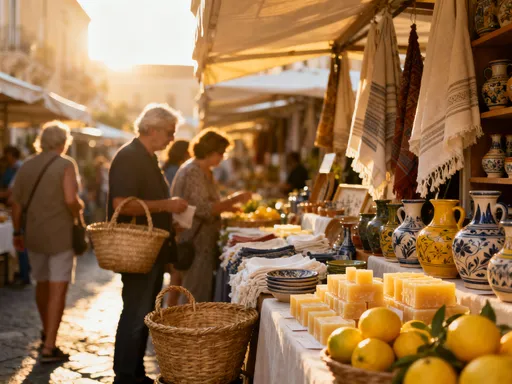
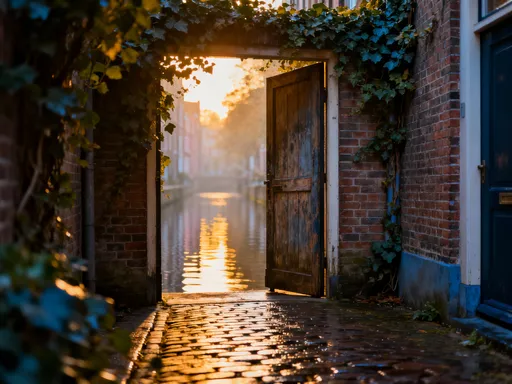
To understand Casablanca’s heart, one must wander through its medinas—not the largest in Morocco, but among the most alive. The old medina, nestled near the city’s historic core, is less tourist-polished than Fes or Marrakech, which makes it all the more authentic. Here, commerce and community intertwine. Stalls overflow with spices in vibrant hues—saffron gold, paprika red, turmeric yellow—while butchers hang lamb in open-air shops cooled by sea breezes. The air hums with barter, laughter, and the rhythmic clatter of metalworkers shaping lanterns and trays.
Yet just a short walk away lies the Habous Quarter, a French-colonial interpretation of traditional Moroccan urban design. Built in the 1930s, it was intended as a model neighborhood blending European planning with Moorish aesthetics. Today, it thrives as a cultural bridge. Its shaded alleyways, arches, and tiled fountains create a cooler, calmer atmosphere compared to the old medina’s intensity. Vendors sell high-quality argan oil, hand-stitched babouches (leather slippers), and intricately woven textiles. Unlike commercial souks elsewhere, many shops here are family-run, with artisans often visible at work—carving wood, polishing silver, or arranging pastries in glass cases.
One of the Habous’ hidden joys is its food culture. A small stall tucked behind the central plaza serves msemen, a flaky, buttery flatbread often eaten with honey or olives. The owner, a woman in her sixties named Fatima, has been making them the same way for over forty years. “Every fold matters,” she says with a smile, her hands moving with practiced ease. Eating here isn’t just a meal—it’s a connection. Neighbors stop by for their daily portion, children wait patiently after school, and visitors are welcomed like regulars. This sense of continuity, of food as both sustenance and story, defines the Habous experience.
Exploring these areas slowly is essential. Rushing through would mean missing the subtle rhythms—the call to prayer echoing from a nearby minaret, the old man reading a newspaper under a fig tree, the scent of orange blossom water drifting from an open window. The best way to engage is to follow local pace: pause often, accept an offered glass of mint tea, and let curiosity guide you. There are no strict itineraries here, only the unfolding of daily life. And in that spontaneity lies a deeper kind of discovery—one that stays with you long after the photos are taken.
Architectural Wonders: From Hassan II Mosque to Art Deco Gems
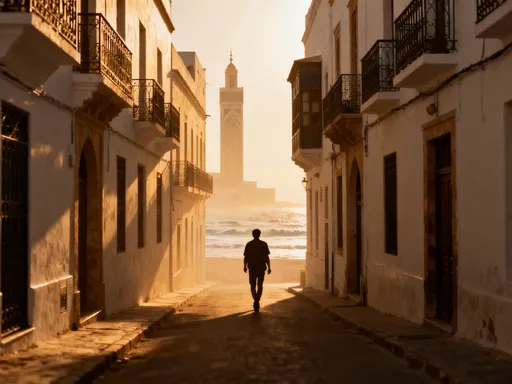
No visit to Casablanca is complete without standing before the Hassan II Mosque, a masterpiece of modern Islamic architecture. Perched on a promontory above the Atlantic, its 210-meter minaret is the tallest in the world. But more than its scale, it’s the harmony of design and location that moves visitors. The mosque appears to rise from the ocean itself, its reflection shimmering in the waves. Non-Muslims cannot enter the prayer hall, but guided tours of the exterior and surrounding plaza offer profound insight. The craftsmanship is breathtaking—hand-carved cedar wood, zellige tilework in geometric perfection, and stucco walls etched with Quranic calligraphy.
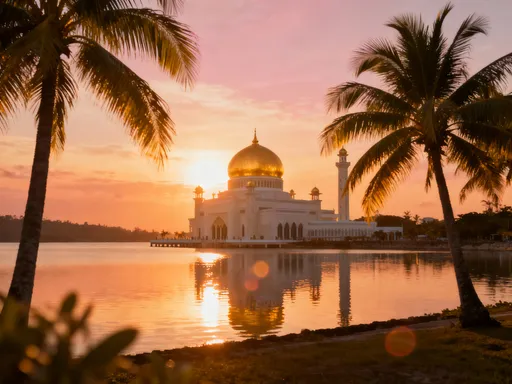
What many don’t realize is that the mosque is also a symbol of national pride and unity. Completed in 1993, it was funded by public donations, with even small shopkeepers contributing modest amounts. This collective effort imbues the site with emotional depth. Locals often gather on the surrounding esplanade not just for prayer, but for quiet contemplation, family walks, or simply to feel the sea wind on their faces. At sunset, when the sky turns amber and the call to prayer echoes over the water, the atmosphere becomes almost sacred—a moment of stillness in a busy city.
Yet Casablanca’s architectural story extends far beyond the mosque. The city is a treasure trove of Art Deco and Mauresque buildings, many constructed during the French protectorate era. In the city center, particularly along Mohammed V Boulevard and the Rue d’Anfa, facades display intricate ironwork, curved balconies, and geometric motifs blending European modernism with Moroccan ornamentation. These buildings are not relics—they are lived-in, housing banks, boutiques, and family apartments. Their survival is a testament to Casablanca’s respect for its layered history.
For architecture enthusiasts, a walking tour of the Anfa district reveals some of the finest examples. Homes with stained-glass windows, courtyards filled with jasmine, and tiled staircases speak to a refined aesthetic that still influences local design. The best time to appreciate these structures is early morning or late afternoon, when the light softens and shadows highlight their details. Photography here is rewarding, but even without a camera, the experience is rich. There’s a quiet elegance in these streets—a reminder that beauty doesn’t require fanfare to be felt.
Coastal Escapes: Life Along the Corniche and Ain Diab
When the city’s energy grows intense, the Corniche offers a natural release. This seven-kilometer stretch of coastline is where Casablanca breathes. By day, families picnic on the grassy slopes above the shore, children chase seagulls, and fishermen cast long lines into the surf. By evening, the promenade comes alive—joggers, cyclists, and strollers move in rhythm with the tide. The air carries salt and grilling sardines, and the sound of waves blends with distant laughter and Arabic pop music from beachside cafés.
Ain Diab, the southern part of the Corniche, is particularly vibrant. Once a quiet resort area, it now buzzes with a relaxed cosmopolitanism. The marina at Marina Beach is a hub of activity, with yachts bobbing gently and restaurants serving fresh seafood under striped awnings. Cafés like Le Cabestan and La Sqala offer outdoor seating just steps from the water, perfect for watching the sunset with a glass of mint tea or a freshly squeezed orange juice. Unlike more commercial beach towns, Ain Diab retains a local flavor—there are no entry fees, no VIP zones, just open access for all.
One of the most joyful experiences here is renting a bicycle and riding the coastal path. The route is well-maintained, shaded in parts, and dotted with small kiosks selling snacks and drinks. Couples, friends, and solo riders glide past palm trees and flower beds, stopping to take photos or dip their feet in the sand. For families, the shallow waters near the breakwater are ideal for children. Fishing remains a popular pastime, and it’s common to see men of all ages patiently waiting for a bite, their rods propped on wooden stands.
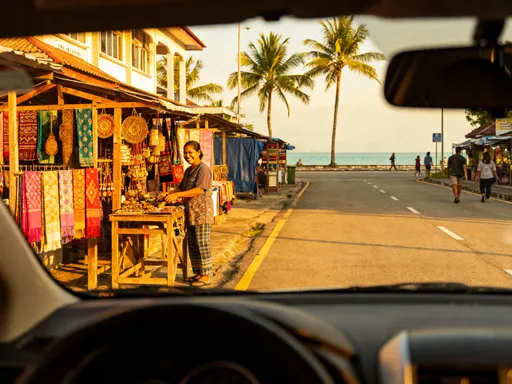
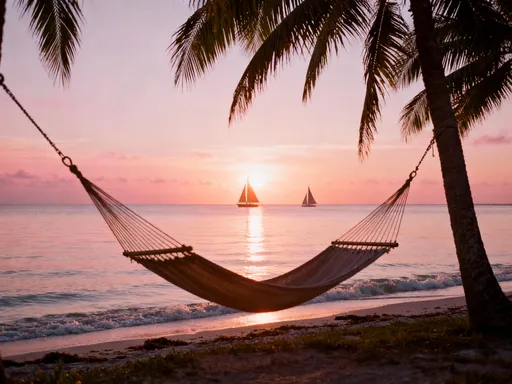
The Corniche also hosts weekend markets, where local artisans sell handmade jewelry, ceramics, and woven bags. These gatherings are informal and welcoming, with no pressure to buy. Instead, they offer a chance to chat, sample fresh fruit, or listen to a street musician playing Andalusian melodies on a lute. As the sun dips below the horizon, the sky often explodes in color—pinks, oranges, and purples reflected in the wet sand. It’s in these quiet moments, standing barefoot on the shore, that Casablanca reveals another side: not just a city of motion, but of peace.
Flavors That Speak: A Taste of Local Cuisine
Casablanca’s cuisine is a reflection of its geography and history—a coastal city where Atlantic seafood meets North African spices and French culinary influence. While tagine is beloved nationwide, here it often features fish, shrimp, or calamari, simmered with tomatoes, olives, and preserved lemons. Equally iconic is harira, the hearty soup traditionally served to break the fast during Ramadan. But in Casablanca, it’s available year-round from street vendors, especially in the late afternoon. Served with dates and chebakia (a sweet, sesame-coated pastry), it’s comfort in a bowl.
For a true taste of the city, one must visit the local food markets. The Central Market in the city center is a sensory overload in the best way—rows of fish laid out on ice, pyramids of seasonal fruit, and butchers displaying cuts of lamb and beef. Vendors are proud of their products and happy to explain their origins. A fishmonger might show you how to select the freshest sardines, while a spice seller offers samples of ras el hanout, a complex blend used in many dishes. These interactions are part of the meal, long before cooking begins.
Neighborhood eateries, known as *dineas*, offer some of the most authentic experiences. These small, no-frills spots serve generous portions at modest prices. One popular *dinea* near the Habous Quarter specializes in grilled sardines served with cumin and lemon. The owner, Ahmed, cooks over charcoal and serves customers at shared tables. “Food is for sharing,” he says. “Even strangers become friends over a plate.” This spirit of hospitality is central to Moroccan culture and especially strong in Casablanca, where meals are seen as moments of connection, not just consumption.
French-Moroccan fusion is also evident in the city’s bakeries and patisseries. Croissants are often filled with almond paste or honey, and baguettes are served alongside harira. Cafés blend espresso culture with traditional tea rituals—many offer both café au lait and mint tea on the same menu. For dessert, try sellou, a rich, nutty confection made from toasted sesame, almonds, and honey, often prepared for celebrations. Every bite tells a story of adaptation, resilience, and joy.
Hidden Rhythms: Finding Culture in Music, Art, and Daily Rituals
Beyond monuments and markets, Casablanca’s soul beats in its cultural expressions. The city has a thriving underground art scene, with small galleries and independent studios tucked into residential neighborhoods. Places like the Villa des Arts showcase contemporary Moroccan painters and sculptors, many of whom explore themes of identity, memory, and urban life. These spaces are not commercial—they’re intimate, often run by artists themselves, and open to dialogue. A simple question about a painting might lead to a deep conversation about tradition and change.
Music is another vital thread. While traditional Andalusian and Gnawa music can be heard in cultural centers, Casablanca also embraces jazz and fusion. Small clubs in the Anfa district host live performances, where musicians blend oud melodies with saxophone solos or percussion from darbukas and congas. These nights are not spectacles—they’re gatherings. Audiences listen closely, nodding to the rhythm, sometimes joining in with handclaps. The energy is warm, inclusive, and deeply human.
Even daily routines carry cultural weight. The call to prayer, broadcast from minarets five times a day, is not just a religious signal—it’s a temporal marker, a shared pause in the city’s rhythm. Shops may close briefly, conversations quiet, and drivers stop to reflect. For visitors, this isn’t disruptive; it’s grounding. It reminds us that time isn’t only measured in schedules, but in moments of presence.
Public art also plays a growing role. Murals on building walls depict historical figures, nature scenes, or abstract patterns inspired by zellige tiles. These works, often created by local youth, transform ordinary spaces into open-air galleries. They’re not always permanent, but their impact is. They say, “We are here. We create. We belong.” For travelers, noticing these details—whether a painted door, a vinyl shop with rare Arabic records, or an elder teaching chess in the park—adds depth to the journey. It’s in these quiet discoveries that Casablanca reveals its true rhythm.
Practical Magic: Navigating the City with Ease
Traveling in Casablanca is more straightforward than many expect. The city’s public transportation system, centered around the tram, is clean, safe, and efficient. Two main lines run north-south and east-west, connecting key areas like the airport, the city center, the Habous, and the Corniche. Stations are clearly marked, and maps are available in Arabic, French, and English. For short distances, walking is often the best option—many neighborhoods are compact, and sidewalks are increasingly pedestrian-friendly.
Taxis are widely available and affordable. There are two types: grand taxis (larger, shared vehicles for longer distances) and petit taxis (smaller, for city travel). Petit taxis should have meters, and most drivers are honest, but it’s wise to confirm the fare before starting a journey. For added convenience, ride-hailing apps like Careem operate in the city and offer transparent pricing. Buses exist but are less recommended for first-time visitors due to limited English signage and crowded conditions.
When it comes to etiquette, a few simple gestures go a long way. Greeting shopkeepers with a polite “Salam alaikum” (peace be upon you) is appreciated. Haggling is expected in markets but should be done with a smile and respect—excessive bargaining can be seen as rude. Tipping is not mandatory but welcomed, especially in cafés and for services like taxi rides or guided tours. A small “shukran” (thank you) at the end of an interaction often earns a warm reply.
Timing your visit enhances the experience. Spring (March to May) and autumn (September to November) offer the most pleasant weather—warm days, cool nights, and fewer crowds. Summers can be humid, especially along the coast, while winters are mild but occasionally rainy. For mosque visits, early morning or late afternoon avoids the midday heat and offers better light for photography. Weekdays are generally less crowded than weekends, particularly in markets and along the Corniche.
Safety is a common concern, but Casablanca is relatively safe for tourists who use common sense. Stick to well-lit, populated areas at night, keep valuables secure, and avoid isolated streets. Women travelers should dress modestly, covering shoulders and knees, which is both respectful and practical in a conservative city. Overall, locals are accustomed to visitors and generally helpful. A respectful attitude and willingness to engage open doors more than any guidebook could.
Conclusion: Why Casablanca Stays With You
Casablanca doesn’t reveal itself all at once. Its magic lies in accumulation—in the sum of small moments: the warmth of shared tea, the rhythm of waves on the Corniche, the quiet dignity of morning prayer. It’s a city that resists simplification, blending modernity and tradition in ways that feel organic, not staged. Unlike destinations curated for tourists, Casablanca lives on its own terms, inviting visitors not to observe, but to participate.
What stays with you is not just what you see, but how you feel. There’s a sense of authenticity here—a city that works, creates, and dreams without performing for outsiders. The architecture, food, music, and daily rituals all speak of a culture in motion, shaped by history but firmly rooted in the present. To walk its streets is to witness Morocco as it truly is: diverse, dynamic, and deeply human.
For the thoughtful traveler, especially those who value connection over convenience, Casablanca offers something rare—a place where surface and soul are in balance. It doesn’t promise perfection, but it delivers truth. And in that honesty, there is beauty. Whether you come for the mosque, the sea, or simply to wander, you’ll leave with more than memories. You’ll carry a rhythm—one that echoes long after you’ve gone.